
Atlanta Electrocution Workers’ Compensation Lawyer

Electrocution injuries are serious. If you’ve been harmed through little-to-no fault of your own after coming into contact with exposed wiring or power lines in Atlanta, you may have the right to pursue compensation for your injuries and suffering. Call Hasner Law Injury & Workers’ Compensation Attorneys at (678) 888-4878 or contact us online to find out how our Atlanta workers compensation attorneys can help you work to maximize your financial recovery. Your first consultation with our law firm is free.
If you suffered an electrical injury at work, an Atlanta electrocution workers’ compensation lawyer at Hasner Law Injury & Workers’ Compensation Attorneys is ready to review your claim at no cost. Reach out today for a free consultation.
Why Injured Workers in Atlanta Trust Hasner Law for Electrocution Claims
A workplace electrical injury brings sudden medical bills, lost income, and questions about your future. The insurance company handling your employer’s workers’ comp policy has its own interests, and those interests do not always line up with yours. Having a firm that understands Georgia’s workers’ compensation system from the inside makes a real difference during this process.
More Than a Century of Combined Workers’ Compensation Experience

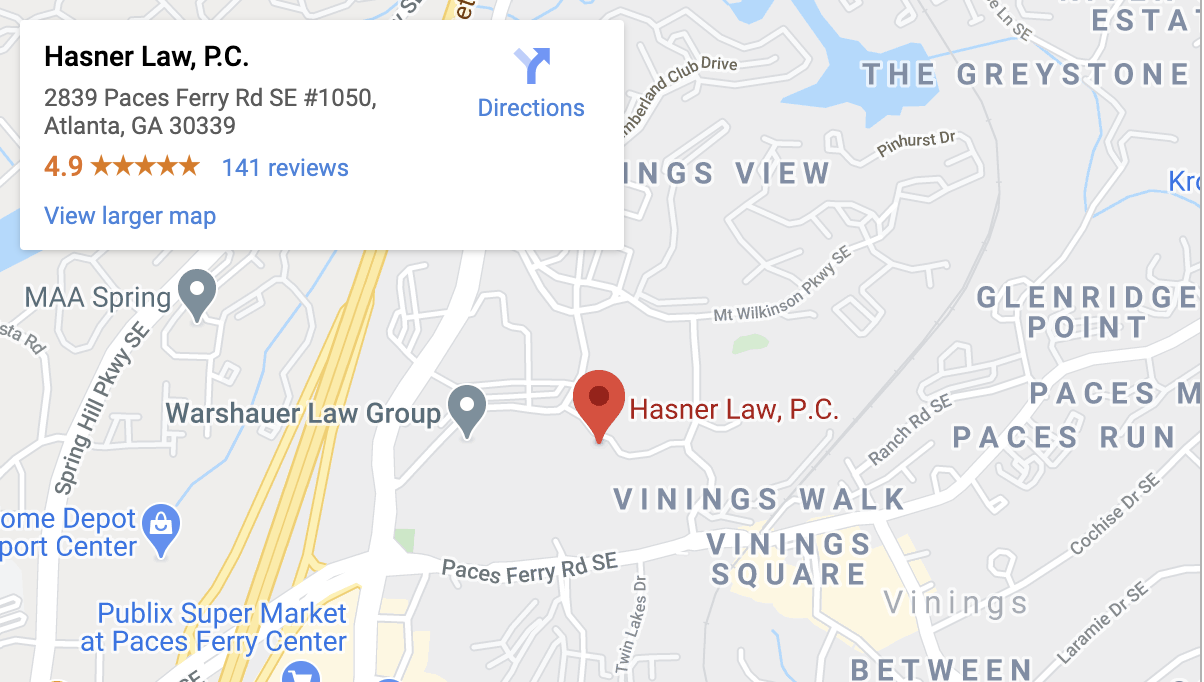
Hasner Law Injury & Workers’ Compensation Attorneys brings more than 100 years of combined legal experience to injured workers across Atlanta, Savannah, and surrounding Georgia communities.
The firm’s founding attorney, Stephen Hasner, co-founded the Georgia Injured Workers’ Advocates (GIWA) and has dedicated his career to standing up for employees hurt on the job. A former Administrative Law Judge who presided over more than 500 cases at the State Board of Workers’ Compensation is also part of the legal team.
How the Firm Handles Your Electrocution Workers’ Compensation Case
When you bring your case to the firm, the attorneys and support staff dig into every detail. That means investigating the cause of the electrical accident, gathering medical records, and building a strategy tailored to your situation. Hasner Law handles the back-and-forth with the insurance company so you do not have to.
The firm limits the number of cases each attorney takes on at any given time, which allows your lawyer and case manager to stay closely involved with your claim. You get direct access to your attorney throughout the process, and the team assists clients in both English and Spanish.
Hasner Law takes workers’ compensation cases on a contingency-fee basis, which means you pay nothing upfront and owe no fees unless the firm recovers benefits on your behalf.
What Causes Electrical Injuries on Atlanta Job Sites?

Electrical hazards exist on construction sites, in warehouses, at manufacturing plants, and across many other workplaces throughout metro Atlanta. Knowing where these dangers come from helps explain why so many workers suffer electrical contact injuries each year.
Some of the most frequent causes of workplace electrocution injuries include:
- Contact with overhead power lines, which accounts for nearly half of all workplace electrical fatalities according to the Electrical Safety Foundation International
- Damaged or improperly maintained extension cords and power tools
- Faulty or outdated wiring in commercial and industrial buildings
- Missing or broken ground-fault circuit interrupter (GFCI) protection, a safety device designed to shut off electrical power when it detects a ground fault
- Defective machinery or electrical equipment on active job sites
Workers on commercial projects in Midtown, at industrial facilities along I-285, or at sites near the Port of Savannah all face these risks. When safety standards are ignored or equipment falls into disrepair, the people doing the work pay the price.
Which Workers Face the Highest Risk of Electrocution in Georgia?

Electrical shock incidents affect workers in a wide range of industries, but certain occupations carry a higher level of exposure. According to OSHA and the Bureau of Labor Statistics, construction workers account for a disproportionate share of electrical fatalities each year. Workers in non-electrical trades face serious risk as well because they may lack training on how to identify and avoid energized conductors or overhead lines.
The workers most frequently affected by electrical contact injuries in Georgia include:
- Electricians and electrical apprentices working on active circuits
- Construction laborers, roofers, and painters near exposed wiring
- Utility and power line installers and repairers
- Tree trimmers operating close to energized overhead lines
- Maintenance and warehouse staff handling aging electrical systems
Whether you work on a high-rise project in Downtown Atlanta, trim trees in Vinings, or maintain equipment at a plant outside Kennesaw, your risk of electrical contact is real. Georgia law protects employees in all of these roles through the workers’ compensation system, regardless of who caused the accident.
How Do Electrocution Injuries Affect Atlanta Workers Long After the Accident?
An electrical shock passes through the body in a fraction of a second, but the damage it leaves behind may last for months, years, or a lifetime. The severity depends on the voltage, the path the current takes through the body, and how long the contact lasts.
Physical and Neurological Harm From Workplace Electrical Shock

Many survivors of workplace electrical injuries deal with a combination of visible and hidden harm. Burn injuries at the entry and exit points are common, but internal damage to organs, muscles, and nerves is often far more serious. Cardiac arrhythmia, which is an irregular heartbeat pattern, is a well-documented complication of electrical exposure that may require ongoing monitoring and treatment.
Other effects that electrical injury victims frequently report include:
- Chronic pain and persistent muscle weakness
- Memory loss and difficulty concentrating
- Nerve damage that limits sensation or motor function
- Seizures and involuntary muscle spasms
- Fatigue that interferes with work and daily activities
These injuries often require long-term medical care, rehabilitation, and extended time away from work. Workers’ compensation benefits in Georgia are designed to cover medical treatment and a portion of lost wages for employees who suffer on-the-job injuries like these, making timely filing all the more important.
What Benefits Are Available Through an Atlanta Electrocution Workers’ Compensation Claim?
Georgia’s workers’ compensation system provides a path for injured employees to receive medical and wage benefits without having to prove their employer was at fault. Under O.C.G.A. § 34-9-1, employers with three or more employees must carry workers’ compensation insurance. That coverage applies from your first day on the job.
Types of Workers’ Comp Benefits for Electrical Injury Victims

Workers’ compensation benefits for electrocution injuries in Georgia may include:
- Payment of all reasonable and necessary medical expenses related to the injury, including surgeries, hospital stays, prescriptions, and rehabilitation
- Temporary total disability (TTD) benefits, which provide two-thirds of your average weekly wage up to the state maximum if you miss more than seven days of work
- Permanent partial disability (PPD) benefits if the injury results in a lasting impairment rating
- Vocational rehabilitation services if the injury prevents you from returning to your previous job
- Death benefits for eligible dependents if a workplace electrocution proves fatal
The claims process involves paperwork, medical documentation, and often disputes with the insurance company over the extent of your injuries or the treatment you need. Having an Atlanta electrocution workers’ compensation lawyer handle these steps may significantly improve the outcome of your claim.
Georgia Deadlines That Apply to Every Electrocution Workers’ Comp Claim
Two strict time limits apply to every Georgia workers’ compensation claim for an electrical injury. Under O.C.G.A. § 34-9-80, you must report your injury to your employer within 30 days. Written notice is the best practice, and it needs to include the date, location, and a description of what happened. Missing this deadline may result in a loss of your right to file a claim.
After reporting, you have one year from the date of the accident to file a formal claim with the Georgia State Board of Workers’ Compensation under O.C.G.A. § 34-9-82. Limited extensions exist if your employer paid for medical treatment or you received weekly income benefits, but relying on those exceptions is risky. Acting quickly protects your rights and gives your attorney more time to build a strong claim.
What To Do After a Workplace Electrocution in Atlanta
The steps you take right after a workplace electrical injury may shape the entire outcome of your workers’ compensation claim. Once you are safe and have received medical attention, there are several things you need to focus on.
Reporting and Documenting Your Electrical Injury

Report the incident to your employer or supervisor as soon as possible, and follow up in writing. Georgia law under O.C.G.A. § 34-9-80 requires that you provide notice within 30 days, but reporting sooner strengthens your case. Include the date, time, location, and a description of what happened.
Keep copies of everything related to your injury. That includes:
- Medical records from emergency treatment, follow-up visits, and any specialist appointments
- Written incident reports submitted to your employer
- Photographs of the accident scene, the equipment involved, and your injuries
- Contact information for any coworkers who witnessed the incident
- Pay stubs and records of missed work time
This documentation becomes the foundation of your workers’ comp claim. Insurance companies look for gaps in the record, and having organized evidence from the start makes it harder for them to dispute what happened. An Atlanta workers’ compensation lawyer at Hasner Law may help you gather and organize this information while protecting your rights throughout the process.
Can You File a Third-Party Lawsuit After a Workplace Electrocution in Atlanta?
Workers’ compensation is typically the primary remedy for a workplace electrocution in Georgia, but it is not always the only option. In some cases, a party outside of the employer-employee relationship may share responsibility for the accident. When that happens, the injured worker may have grounds for a separate personal injury lawsuit on top of the workers’ comp claim.
Who Might Be Liable Beyond Your Employer

If someone other than your employer contributed to your electrical shock injury, third-party liability may apply. Parties that might bear responsibility include:
- Power companies that failed to maintain safe lines or provide adequate warnings near active work zones
- Property owners who neglected known electrical hazards on their premises
- Manufacturers of defective electrical equipment, tools, or machinery
- Subcontractors or other employers on a shared job site who created the dangerous condition
A third-party claim operates under Georgia’s personal injury laws, which require the injured worker to show that the other party’s negligence played a role in causing the accident. The statute of limitations for personal injury lawsuits in Georgia is two years from the date of the injury.
Pursuing both a workers’ comp claim and a third-party lawsuit at the same time is allowed under Georgia law, and an Atlanta electrocution workers’ compensation lawyer familiar with both areas may help you identify every available path to recovery.
FAQs for Atlanta Electrocution Workers’ Compensation Lawyer
Do I need to prove my employer was at fault to receive workers’ comp benefits for an electrocution injury?
No. Georgia workers’ compensation is a no-fault system. You do not need to prove your employer was negligent. If the electrocution injury occurred in the course of your employment and you report and file your claim on time, you may be eligible for benefits.
What benefits may I receive after a workplace electrocution in Atlanta?

Workers’ compensation may cover medical expenses such as hospital care, surgery, therapy, and prescriptions. If you miss more than seven days of work, you may also receive temporary total disability benefits equal to two-thirds of your average weekly wage, up to the state maximum. Permanent impairment benefits and vocational rehabilitation may also apply.
How long do I have to file a workers’ comp claim in Georgia?
You must report the injury to your employer within 30 days under O.C.G.A. § 34-9-80. You then have one year from the date of the accident to file a claim with the Georgia State Board of Workers’ Compensation under O.C.G.A. § 34-9-82. Limited exceptions may apply if medical treatment or wage benefits were provided.
What if a third party caused my workplace electrocution?
You may pursue a personal injury claim against a responsible third party in addition to workers’ compensation. For example, defective equipment or negligent subcontractors may create liability. Georgia’s personal injury statute of limitations is two years.
What happens if my workers’ compensation claim is denied?
You may request a hearing before an Administrative Law Judge with the Georgia State Board of Workers’ Compensation. The judge reviews the evidence and issues a decision. If necessary, further appeals are available under O.C.G.A. § 34-9-103.
Talk to an Atlanta Electrocution Workers’ Compensation Lawyer Today
Every day that passes after a workplace electrical injury makes it harder to gather evidence, meet filing deadlines, and build the strongest possible claim. The 30-day notice requirement and one-year filing deadline under Georgia law leave little room for delay.
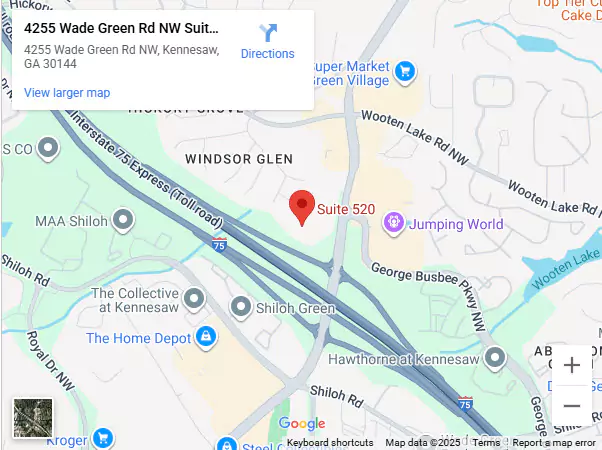
Hasner Law Injury & Workers’ Compensation Attorneys has spent decades helping injured workers across Atlanta, Savannah, Kennesaw, and communities throughout Georgia pursue the benefits they need to move forward.
If you or a family member suffered an electrocution injury on the job, contact Hasner Law for a free consultation and take the first step toward protecting your claim.