

Stephen Hasner | Car Accidents | April 9, 2026

Most people assume the only person liable for a drunk driving accident is the driver. Georgia law opens a second path.
Under certain conditions, the bar, restaurant, or social host that served the alcohol may also share liability for the injuries a drunk driver causes. Georgia’s dram shop law creates this narrow but significant legal option for accident victims in Atlanta and throughout the state.
If a drunk driver injured you and that driver left a bar visibly intoxicated, you may have a claim against the establishment as well. Contact Hasner Law today for a free consultation to review your case.
What Does Georgia’s Dram Shop Law Actually Say?
Georgia enacted its dram shop statute in 1988. Under O.C.G.A. § 51-1-40, the law starts with a default rule that may surprise you: the consumption of alcohol, not the sale or service of it, is the proximate cause of injuries in an alcohol-related accident. This means Georgia law generally protects bars, restaurants, and liquor stores from liability.
The statute then carves out two specific exceptions where an alcohol provider may face civil liability. These exceptions are narrow, and meeting their requirements demands specific evidence about what the server knew and when they knew it.
The Two Exceptions Under O.C.G.A. § 51-1-40(b)
Georgia’s dram shop law allows an innocent third party, meaning someone injured by the drunk driver rather than the driver themselves, to bring a claim against the alcohol provider in two situations:
- The establishment sold, furnished, or served alcohol to a person who was not of the lawful drinking age (under 21) with knowledge that the underage person was about to drive a motor vehicle
- The establishment sold, furnished, or served alcohol to a person who was in a state of noticeable intoxication with knowledge that the intoxicated person was about to drive a motor vehicle
Both exceptions require proof that the server or establishment had knowledge the person was about to drive. Simply serving someone who later drives drunk is not enough. The server must have known, or the circumstances must show they had reason to know, that the patron planned to get behind the wheel.
What Does Noticeable Intoxication Mean Under Georgia’s Dram Shop Law?
The phrase noticeable intoxication is the linchpin of most dram shop claims against Atlanta bars and restaurants. Georgia courts treat this as a factual question, meaning the jury looks at all available evidence to decide whether the driver was visibly impaired at the time the establishment continued to serve them.
Signs that Georgia courts and juries may consider when evaluating noticeable intoxication include:
- Slurred speech, loss of balance, or difficulty walking observed by staff or other patrons
- Aggressive, erratic, or unusually loud behavior that other customers or employees witnessed
- The volume of alcohol purchased or consumed over a specific time period, as documented by bar tabs or point-of-sale records
- Statements the patron made to bartenders or servers about their plans to drive home
Proving noticeable intoxication often hinges on testimony from other bar patrons, security camera footage, and internal records from the establishment. This evidence tends to disappear quickly, which is why contacting a Georgia dram shop attorney promptly after an accident matters.
Who May Not File a Dram Shop Claim in Georgia?
Georgia’s dram shop law includes an explicit limitation on who may bring a claim. Under O.C.G.A. § 51-1-40(a), the drunk driver themselves may not sue the bar or restaurant that served them. The statute treats the driver’s own consumption as the sole proximate cause of their injuries, blocking the intoxicated person from recovering against the alcohol provider.
Only Innocent Third Parties Have Standing
Dram shop claims in Georgia are available only to innocent third parties, the people injured by the drunk driver’s actions. This includes passengers in the other vehicle, pedestrians, cyclists, and anyone else harmed in the crash. The drunk driver’s own passengers may also have standing to file a dram shop claim against the establishment, depending on the circumstances.

The Fake ID Defense
Georgia’s dram shop statute provides a specific defense for establishments that serve underage drinkers. Under O.C.G.A. § 51-1-40(c), if an underage person presents a fake identification showing they are of legal drinking age, that creates a rebuttable presumption that the seller did not knowingly or willfully serve a minor. The injured plaintiff may still overcome this defense with evidence showing the establishment had other reasons to suspect the person was underage.
Does Georgia’s Dram Shop Law Apply to Social Hosts?
Georgia’s dram shop statute does not distinguish between commercial alcohol sellers and private individuals who host gatherings. The same two exceptions, serving someone noticeably intoxicated or underage with knowledge that they are about to drive, apply to social hosts as well.
However, a separate provision under O.C.G.A. § 51-1-40(d) provides additional protections for property owners who are not licensed to sell alcohol. A property owner hosting a private event may avoid liability if they meet certain conditions, including not personally serving the alcohol and not having knowledge of the guest’s intended driving.
Atlanta’s Nightlife Scene Creates Unique Dram Shop Exposure
Atlanta’s nightlife corridors in Buckhead, Midtown, and the West Side attract large crowds, particularly on weekends. Bars and restaurants in these areas serve high volumes of alcohol, increasing the likelihood that visibly intoxicated patrons leave and get behind the wheel.
Dram shop claims arising from Atlanta’s entertainment districts often involve multiple witnesses and security footage from nearby businesses.
What Evidence Helps Build a Dram Shop Case in Atlanta?
Dram shop claims live and die on the evidence available to prove what the establishment knew and when. Because bars and restaurants control most of this evidence, acting quickly is the difference between a viable case and a lost opportunity.
The types of evidence that typically support a Georgia dram shop claim include:
- Point-of-sale records and itemized bar tabs showing the volume and timing of alcohol purchases
- Surveillance footage from inside the bar, the parking lot, and nearby businesses capturing the patron’s condition and departure
- Testimony from bartenders, servers, bouncers, and other patrons who observed the driver’s behavior before they left
- Police reports and BAC test results from the crash scene documenting the driver’s level of intoxication
- The establishment’s alcohol service training records and internal policies on cutting off intoxicated patrons
Many bars overwrite their security footage within days of recording, and staff members who witnessed the service may leave their jobs before anyone contacts them. Issuing preservation demands and conducting witness interviews quickly often determines whether sufficient evidence survives.
What Damages May Be Available in a Georgia Dram Shop Case?
A successful dram shop claim in Georgia may allow you to recover the same categories of damages available in any personal injury case, plus potentially additional damages tied to the establishment’s conduct.
Compensatory Damages
Compensatory damages cover the actual losses you suffered as a result of the accident. These include medical expenses, lost wages, property damage, pain and suffering, and loss of enjoyment of life. The dram shop defendant and the drunk driver may share liability for these damages, giving you access to additional insurance policies and assets beyond the driver’s own coverage.
Punitive Damages
Georgia law may allow punitive damages in dram shop cases under O.C.G.A. § 51-12-5.1 if the evidence shows the establishment acted with willful misconduct or conscious indifference. Continuing to serve a visibly intoxicated patron who announces their intention to drive may rise to this standard. The general $250,000 punitive damages cap applies to claims against the establishment.
What Is the Filing Deadline for a Georgia Dram Shop Case?
Georgia’s two-year statute of limitations under O.C.G.A. § 9-3-33 applies to dram shop claims, starting from the date of the accident. Missing this deadline eliminates your right to pursue a claim against either the bar or the drunk driver.
Why Early Action Matters Even More in Dram Shop Cases
The two-year filing deadline gives you time on paper, but the practical window for building a strong dram shop case is much shorter. Surveillance footage gets overwritten, bartenders change jobs, and bar tabs get purged from point-of-sale systems. An attorney who files preservation letters and subpoenas early locks in the evidence that makes or breaks the case.
How Hasner Law Pursues Dram Shop Claims for Atlanta Accident Victims
Hasner Law has fought for injured people across Georgia since the firm opened in 2008. The legal team carries over a century of combined courtroom and settlement experience in personal injury and drunk driving accident cases, and the firm has recovered more than $100 million for clients throughout the state.
Why Dram Shop Cases Require a Targeted Approach
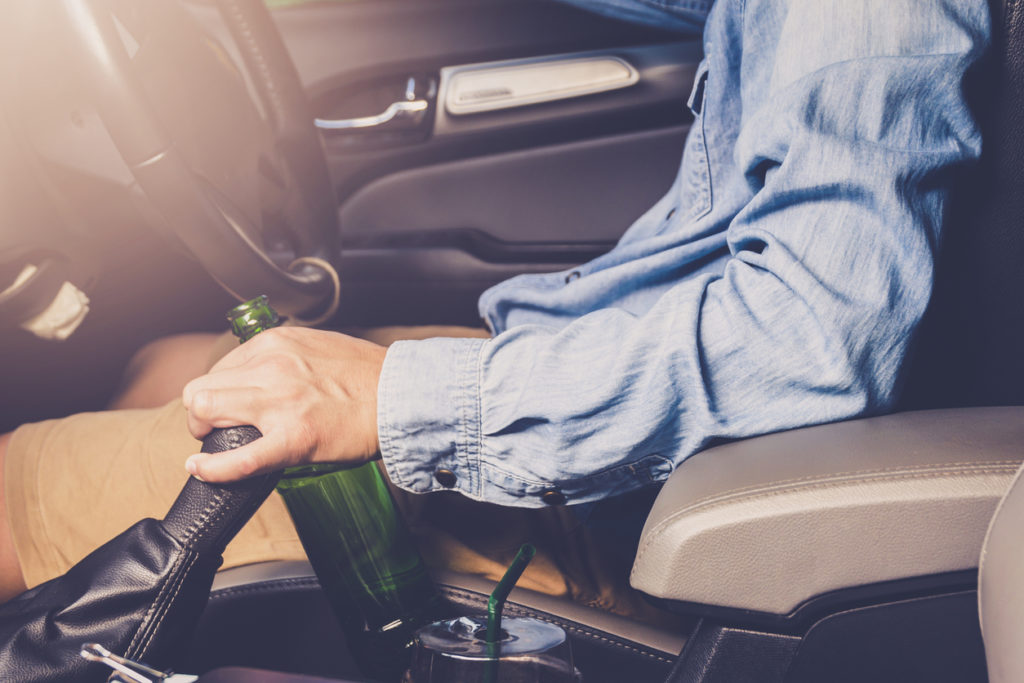
Dram shop claims against bars and restaurants demand a different type of investigation than a standard car accident case. Your attorney must prove what the establishment’s staff knew about the driver’s intoxication at the time of service, which requires gathering bar tabs, surveillance footage, server testimony, and witness accounts before they disappear.
Hasner Law handles these cases on a contingency fee basis, meaning you pay no upfront costs and owe no fees unless the firm recovers compensation for you. With offices across metro Atlanta, Downtown Atlanta, Kennesaw, and Savannah, the team provides free consultations around the clock.
FAQs for Georgia’s Dram Shop Law
What if the drunk driver was not arrested or convicted of DUI?
A criminal DUI charge or conviction is not required to file a dram shop claim in Georgia. The civil case uses a lower standard of proof, and evidence of noticeable intoxication at the time of service is the relevant question rather than the driver’s criminal case outcome.
May I sue both the bar and the drunk driver in the same lawsuit?
Yes. Georgia law allows you to name multiple defendants in the same civil lawsuit. Filing against both the drunk driver and the establishment that served them gives you access to separate insurance policies and separate sources of recovery.
Does it matter how many drinks the bar served?
The number of drinks alone does not establish a dram shop claim. Georgia law requires proof that the patron was in a state of noticeable intoxication at the time of service and that the server knew the patron was about to drive. However, bar tabs showing a high volume of drinks in a short period may support the argument that the establishment continued serving someone who was visibly impaired.
What if the bar claims the patron did not appear drunk?
This is the most common defense in Georgia dram shop cases. The establishment argues that its staff observed no signs of intoxication. Your attorney counters this defense with surveillance footage, witness testimony from other patrons, the patron’s BAC level at the time of the crash, and the volume and timing of drinks served.
Do dram shop claims apply to liquor stores?
Georgia’s dram shop statute covers any person or entity that sells, furnishes, or serves alcohol. Liquor stores and package stores may face liability under the same statute if they sell alcohol to a noticeably intoxicated person or an underage buyer with knowledge that the person is about to drive.
Pursue Your Georgia Dram Shop Claim With Hasner Law

The bar that kept pouring drinks and then watched a visibly impaired patron walk out the door and drive away made a choice. Georgia’s dram shop law gives you the legal path to hold that business accountable alongside the drunk driver. But the evidence that supports your claim, the security footage, the bar tabs, the server’s recollection, starts disappearing within days of the accident.
Hasner Law offers free consultations for drunk driving accident victims across Georgia. Contact Hasner Law today to discuss whether Georgia’s dram shop law applies to your case and what steps to take next.
