

Stephen Hasner | Truck Accidents | March 7, 2026
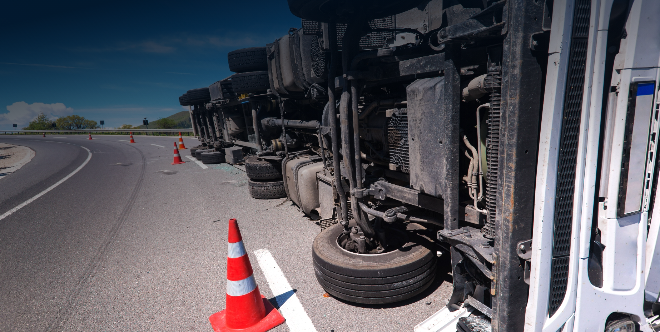
In the days after a truck accident, life can feel uncertain. You may be going to doctor visits, missing work, and fielding calls from insurance adjusters, all while trying to rest and recover. When a settlement offer comes in quickly, it can seem like a step toward putting the crash behind you.
It is common for insurers to reach out within days of a collision on I-285 or I-75 with what sounds like a fair amount. But early offers are often made before you know the full extent of your injuries or how long your recovery may take.
Medical issues can develop over time. Lost income can add up. Future treatment costs may not yet be clear. Once you sign a release, you usually cannot go back and ask for more compensation related to the same accident.
If you have received a truck accident settlement offer in Atlanta, it may help to slow down and look at the bigger picture. Taking time to understand your injuries, your financial losses, and your options under Georgia law can help you make a thoughtful decision about what comes next.
Key Takeaways About Truck Accident Settlement Offers in Atlanta
- Insurance adjusters frequently contact truck accident victims in Atlanta within days of a crash, often before the full extent of injuries and financial losses is known.
- Accepting an early settlement typically requires signing a release that, in most cases, permanently waives your right to pursue additional compensation, even if your condition worsens later.
- Georgia’s 2025 tort reform legislation, Senate Bill 68, changed how medical damages and non-economic losses are calculated and presented in court, making accurate early case valuation more difficult and more consequential.
- The two-year statute of limitations under Georgia law gives you time to reach maximum medical improvement before making a final decision on a settlement.
- An attorney who handles truck accident claims in Georgia may identify damages and liable parties that an early settlement offer fails to account for.
Why Do Trucking Insurers Rush to Settle After an Atlanta Truck Accident?
Insurance companies that cover commercial trucking operations have a financial incentive to close your claim as fast as possible and for as little money as possible. The speed of their outreach is a strategy, not a courtesy.
How Insurance Adjuster Tactics Work in Truck Accident Cases
Adjusters who handle truck accident claims in Georgia follow internal protocols designed to minimize what the insurer pays out. They know that victims who are dealing with medical bills, missed work, and physical pain are more likely to accept a quick offer than someone who has had time to consult with an attorney.
Some of the most common insurance adjuster tactics in truck accident cases include:
- Contacting you within days of the crash and presenting a lump sum that sounds generous before you have a full medical picture
- Requesting a recorded statement early in the process and using your own words to argue that your injuries are less severe than they are
- Framing the settlement as a time-sensitive offer to create urgency and discourage you from seeking legal advice
- Minimizing the role of the trucking company or driver in causing the collision and suggesting you share fault under Georgia’s comparative negligence rules
- Offering to cover current medical bills while ignoring future treatment costs, lost earning capacity, and non-economic losses
Each of these tactics serves the same goal: closing your claim before you understand its full value. A fast settlement often benefits the insurer far more than the injured party.
What Happens When You Sign a Release After a Georgia Truck Accident Settlement?
The most consequential part of any early settlement is not the dollar amount. It is the release of claims form that you must sign to receive the money.
How a Release of Claims Works in Georgia
A standard release in a Georgia personal injury settlement typically states that the person signing it gives up all claims, whether known or unknown, foreseen or unforeseen, related to the incident in question. That language is broad by design. In most cases, once you sign a valid release, you lose the right to:
- File a lawsuit against the trucking company, the driver, or any other liable party for the same accident
- Seek additional money for medical treatments that arise weeks or months after the settlement
- Pursue compensation for conditions like chronic pain, traumatic brain injury symptoms, or spinal damage that may not appear immediately
Georgia courts generally enforce releases in personal injury settlements as long as the agreement does not violate public policy and both parties received consideration, meaning something of value.
In limited circumstances, a release may be challenged on grounds such as fraud, mutual mistake, or incapacity, but those challenges are difficult to prove. Signing too early means you accept the risk that your injuries may cost far more than the settlement covers, and that risk falls on you once the release is executed.
How Georgia’s 2025 Tort Reform Affects Your Truck Accident Settlement Decision
Governor Brian Kemp signed Senate Bill 68 into law on April 21, 2025, introducing a series of changes to how personal injury cases move through Georgia’s courts. Several provisions of this law directly affect how truck accident claims are valued, making the decision to accept or reject an early settlement offer even more significant.
New Rules That Changed How Damages Are Calculated and Presented
SB 68 introduced restrictions on how plaintiffs and their attorneys may present damages to a jury. Under the new law, attorneys may no longer suggest a specific dollar amount for non-economic damages like pain and suffering during closing arguments unless that number is tied directly to evidence presented at trial.

The legislation also introduced a new code section, O.C.G.A. § 51-12-1.1, that limits medical expense recovery to amounts that have actually been paid or are reasonably expected to be paid, rather than the full billed amount.
Additional changes under SB 68 that may affect truck accident cases include:
- Seatbelt evidence is now admissible, meaning the defense may argue that your failure to wear a seatbelt contributed to the severity of your injuries
- Either party may request a bifurcated trial, splitting the case into separate phases for liability and damages, which changes how a jury hears your story
- Voluntary dismissal timelines are shorter, reducing a plaintiff’s ability to refile in a different court or at a different time
These reforms changed how certain damages are presented and calculated in Georgia courtrooms, which may affect trial valuations in truck accident cases. That shift gives both sides new factors to weigh during settlement negotiations. Getting the valuation of your claim right before you agree to anything matters more now than it did before SB 68 took effect.
What Losses Might a Low Settlement Offer Fail to Include
Early truck accident settlement offers in Atlanta tend to focus on the most obvious and immediate costs, typically your current medical bills and a small amount for inconvenience. They rarely account for the full range of losses that Georgia law may allow you to recover.
Categories of Damages in a Georgia Truck Accident Claim
Georgia’s personal injury laws allow accident victims to seek both economic and non-economic damages. The two-year statute of limitations under O.C.G.A. § 9-3-33 gives you time to reach maximum medical improvement, the point at which your doctors determine that your condition has stabilized, before committing to a final number.
A thorough evaluation of a truck accident claim in Georgia may include:
- Past and projected future medical expenses, including surgeries, rehabilitation, prescription medication, and assistive devices
- Lost wages from time missed at work and reduced earning capacity if your injuries limit your ability to perform your job long-term
- Physical pain and suffering tied to both the initial injuries and ongoing recovery
- Emotional distress, anxiety, and loss of enjoyment in daily activities
- Property damage to your vehicle and personal belongings
An early offer that only addresses your emergency room visit and a few weeks of lost pay leaves significant categories of loss on the table. The gap between what an insurer offers quickly and what your claim may actually be worth often grows wider as your medical treatment unfolds.
How Hasner Law Helps You Evaluate a Truck Accident Settlement Offer in Atlanta
Hasner Law PC Personal Injury & Workers Compensation Attorneys represents truck accident victims from two Georgia offices, in Atlanta at 2839 Paces Ferry Rd SE, Suite 1050, and in Savannah at 221 W York St. The firm’s attorneys bring over 100 years of combined experience in personal injury and workers’ compensation cases throughout the state.

Reviewing Your Offer Before You Respond
Founder Stephen Hasner has practiced in Georgia since 1999 and built a team of senior attorneys, paralegals, and intake specialists who handle truck accident claims from start to finish. When an insurer presents a low settlement offer after a truck accident in Atlanta, the legal team reviews the full scope of your injuries, medical treatment, lost income, and long-term needs before advising you on how to respond. The firm handles cases on a contingency fee basis, meaning you pay nothing upfront and owe no fees unless the firm recovers compensation on your behalf.
FAQs for Truck Accident Settlement Offer Atlanta
How soon after a truck accident in Atlanta might an insurance company offer a settlement?
Some insurers reach out within days, and occasionally within hours, of a truck accident. The speed of contact reflects a strategy to resolve your claim before you have a complete picture of your injuries, treatment needs, and financial losses. You have no obligation to accept or respond to an early offer without first consulting an attorney.
If I accept a settlement, may I later file a lawsuit for the same truck accident?
In most cases, no. Accepting a truck accident settlement in Georgia typically requires you to sign a release of claims that permanently waives your right to pursue additional compensation from the same parties for the same accident.
This generally applies even if your injuries worsen or new conditions arise after you sign. In rare situations, a release may be challenged on grounds like fraud or mutual mistake, but those claims are difficult to sustain.
What is maximum medical improvement, and why does it matter for my settlement?
Maximum medical improvement, often abbreviated as MMI, is the point at which your treating physicians determine that your condition has stabilized and is unlikely to improve significantly with further treatment.
Reaching MMI before settling gives you and your attorney a clearer picture of your long-term medical needs and costs, which helps prevent you from accepting a number that falls short of your actual losses.
How does Georgia’s 2025 tort reform law affect my truck accident settlement?
Senate Bill 68, signed into law in April 2025, changed how medical expenses and non-economic damages like pain and suffering are calculated and presented in Georgia courts. The law limits medical damage recovery to amounts actually paid or expected to be paid and restricts how attorneys may argue the value of pain and suffering to a jury. These changes may affect the overall value of your claim at trial, which in turn affects the leverage both sides have during settlement negotiations.
Does Georgia’s comparative negligence rule affect a truck accident settlement offer?
Yes. Under O.C.G.A. § 51-12-33, Georgia follows a modified comparative negligence standard. A jury assigns a percentage of fault to each party, and if you are found 50 percent or more at fault, you may not recover damages at all.
Insurance adjusters frequently argue that you share responsibility for the crash in order to reduce the value of your claim, which is one reason having an attorney review any offer before you respond may protect your interests.
Protect Your Rights Before Responding to a Truck Accident Settlement Offer in Atlanta

An early settlement offer after a truck accident might feel like relief in the moment, but it almost always reflects the insurer’s priorities rather than yours. Georgia law gives you two years to file a personal injury lawsuit, and using that time to reach maximum medical improvement, document your full losses, and understand how the 2025 tort reform changes affect your case may put you in a far stronger position.
The attorneys at Hasner Law review every truck accident settlement offer with the attention these high-stakes decisions demand. If an insurer has already approached you with a number after a commercial truck collision anywhere in Georgia, do not sign anything until you have spoken with a legal team that puts your interests first. Reach out to Hasner Law today for a free case evaluation.
