

Stephen Hasner | Workers' Compensation | February 4, 2026

Georgia summers can push outdoor and non-climate-controlled workers to the edge of safe physical endurance. When temperatures rise into the 90s and humidity remains high, the body’s natural cooling mechanisms become less effective, increasing the risk of dangerous heat exposure.
Construction crews working along the Atlanta BeltLine, landscaping teams servicing Buckhead properties, and warehouse employees across Fulton County often perform strenuous labor under these conditions. As a result, heat exhaustion, heat stroke, and other heat-related illnesses can occur on the job.
Under Georgia workers’ compensation law, a heat-related illness may be compensable when medical evidence and workplace facts show that job conditions contributed to the injury. Workers who suffer heat-related illnesses in the course of their employment may be entitled to medical treatment and income benefits.
An Atlanta workers’ compensation lawyer can evaluate your situation and help pursue any benefits available under Georgia law. If you or a loved one suffered a heat-related illness at work, contact Hasner Law to discuss your options.
Key Takeaways About Heat-Related Workers’ Comp Claims in Georgia
- Heat stroke, heat exhaustion, and other heat-related conditions that occur during work activities may qualify for Georgia workers’ compensation benefits.
- Your heat illness claim must demonstrate that your work environment or job duties were a contributing cause of the condition, supported by medical evidence and workplace facts.
- Georgia law requires you to report workplace injuries to your employer within 30 days and file a formal claim within one year.
- An Atlanta workers’ compensation lawyer from Hasner Law may help you document your heat illness claim and pursue the benefits available under Georgia law.
Types of Heat-Related Illnesses Covered Under Georgia Workers’ Comp
Georgia workers’ compensation may cover a range of heat-related illnesses caused by workplace heat exposure. These range from relatively minor conditions that resolve quickly to life-threatening emergencies requiring hospitalization. Understanding the different types of heat illness helps you recognize symptoms and seek appropriate treatment.
Heat stroke represents the most severe form of heat-related illness and constitutes a medical emergency. Your body temperature rises to dangerous levels, often exceeding 104 degrees Fahrenheit, and your internal cooling system fails.
Symptoms include confusion, slurred speech, loss of consciousness, seizures, and hot skin that may be dry or damp. Without immediate medical intervention, heat stroke may cause permanent organ damage, brain injury, or death.
Heat Exhaustion and Other Compensable Conditions
Heat exhaustion occurs when your body loses excessive water and salt through sweating. You may experience heavy sweating, weakness, cold and clammy skin, nausea, dizziness, and a fast but weak pulse. While less immediately dangerous than heat stroke, heat exhaustion may progress rapidly if you continue working without treatment.
Heat syncope causes fainting or dizziness, usually during prolonged standing or sudden rising in hot environments. Heat cramps involve painful muscle spasms, typically in the legs, arms, or abdomen, resulting from electrolyte imbalances.
Heat rash appears as clusters of red bumps on skin that stays wet from sweat. Each of these conditions may qualify for workers’ compensation if they arise from your job duties and work environment.
OSHA Guidelines and Georgia Employer Heat Safety Responsibilities
The Occupational Safety and Health Administration (OSHA) provides guidelines for protecting workers from heat-related hazards. While Georgia does not have a state-specific heat illness prevention standard, employers must still comply with OSHA’s General Duty Clause, which requires workplaces free from recognized hazards likely to cause death or serious harm.
OSHA recommends specific measures that Georgia employers may implement to protect workers from heat illness during summer months.
- Providing access to cool drinking water and encouraging frequent hydration throughout the work shift
- Allowing rest breaks in shaded or air-conditioned areas, especially during peak heat hours
- Gradually increasing workloads for employees who have not yet acclimated to hot conditions
- Training workers and supervisors to recognize heat illness symptoms and respond appropriately
- Monitoring weather conditions and adjusting work schedules when temperatures become dangerous
Employers who fail to take reasonable precautions against heat hazards may face additional scrutiny in regulatory or legal proceedings, including when workers file heat illness claims. An Atlanta workers’ compensation lawyer may investigate whether your employer provided adequate protection against heat exposure.
What Georgia Law Requires to Prove a Heat Illness Claim
Georgia workers’ compensation claims for heat-related illness require you to demonstrate specific elements. Your condition must have occurred during working hours while performing job duties.
Your job must have exposed you to heat conditions in a manner and to a degree greater than that ordinarily encountered by the general public, based on the specific facts of your employment and worksite.

This second requirement often becomes the focus of disputed claims. Insurance carriers may argue that anyone outdoors in Georgia summer heat faces similar risks.
Your Atlanta workers’ compensation lawyer must show that your specific job duties, work location, or employment conditions created elevated heat exposure beyond normal circumstances.
Documentation That Strengthens Your Workers’ Comp Claim
Thorough documentation significantly improves your chances of a successful heat illness claim. Preserve evidence from the day of your illness and the days leading up to it.
- Medical records from emergency treatment and all follow-up care related to your heat illness
- Weather data showing temperature, humidity, and heat index for your work location on the day of your illness
- Records of your work activities, including physical demands and time spent in direct sun or hot conditions
- Information about water, shade, and rest break availability at your worksite
- Witness statements from coworkers who observed conditions or saw your symptoms develop
Clear, detailed documentation helps counter insurance company disputes and strengthens your claim.
Recognizing Heat Illness Symptoms on the Job
Early recognition of heat illness symptoms allows you to take action before conditions become life-threatening. Workers and supervisors alike benefit from knowing the warning signs that indicate heat stress is progressing toward a medical emergency.
- Headache, dizziness, or lightheadedness that develops during work in hot conditions
- Heavy sweating followed by reduced sweating or hot, dry skin
- Nausea, vomiting, or muscle cramps in the legs, arms, or abdomen
- Confusion, slurred speech, or difficulty concentrating on tasks
- Rapid heartbeat, shallow breathing, or fainting
Any of these symptoms warrant immediate action. Stop working, move to a cooler area, and drink water. If symptoms do not improve within 15 minutes or if you experience confusion, loss of consciousness, or extremely high body temperature, seek emergency medical care immediately.
Steps to Take After Suffering Heat Illness at Work in Georgia
Your actions following a heat-related illness affect both your health and your legal claim. Taking appropriate steps protects your right to benefits while prioritizing your physical recovery. If you experience symptoms of heat illness at work, stop working immediately and move to a cooler location.
Heat stroke requires emergency medical treatment, so call 911 or have someone call for you if you experience confusion, loss of consciousness, or other severe symptoms. Even less severe heat illness warrants medical evaluation because conditions may worsen rapidly.
Georgia Reporting and Filing Requirements for Heat Illness Claims
Under Georgia law, you must report your accident within 30 days if you suffer a work-related injury, including a heat-related illness. Whenever possible, provide the report in writing to establish a record, and include details about the working conditions that caused your illness and the symptoms you experienced.
You have one year from your injury date to file Form WC-14 with the Georgia State Board of Workers’ Compensation. Missing this deadline may permanently bar your claim. A skilled Atlanta workers’ compensation lawyer may help you meet all filing requirements and deadlines while you focus on recovering from your heat illness.
High-Risk Occupations for Heat Illness in Atlanta and Across Georgia
Certain jobs carry elevated risks for heat-related illness during Georgia summers. Workers in these occupations may face greater challenges proving their claims because insurance carriers may view heat exposure as an expected part of the job. However, employers still must take reasonable steps to protect workers regardless of the occupation.
Construction workers face some of the highest heat illness risks. Building projects throughout Atlanta, from high-rises in Midtown to residential developments in Gwinnett County, expose workers to direct sunlight, physical exertion, and sometimes heavy protective equipment that traps body heat. Roofing work presents particular dangers due to radiant heat from roof surfaces.
Landscaping and groundskeeping crews work outdoors throughout the day during peak summer temperatures. Agricultural workers in areas surrounding metro Atlanta face similar exposure. Delivery drivers, utility workers, and road construction crews spend hours in vehicles without adequate cooling or working alongside hot pavement. Warehouse workers in facilities without proper climate control also face significant heat exposure, even though they work indoors.
How an Atlanta Workers’ Compensation Lawyer Handles Heat Illness Claims
Heat-related illness claims present unique challenges that require careful documentation and legal strategy. At Hasner Law, our Atlanta workers’ compensation lawyer team understands how to build strong cases for workers who suffer heat stroke, heat exhaustion, and other temperature-related conditions on the job. We know that insurance carriers sometimes dispute these claims by arguing the illness resulted from personal health factors rather than workplace conditions.
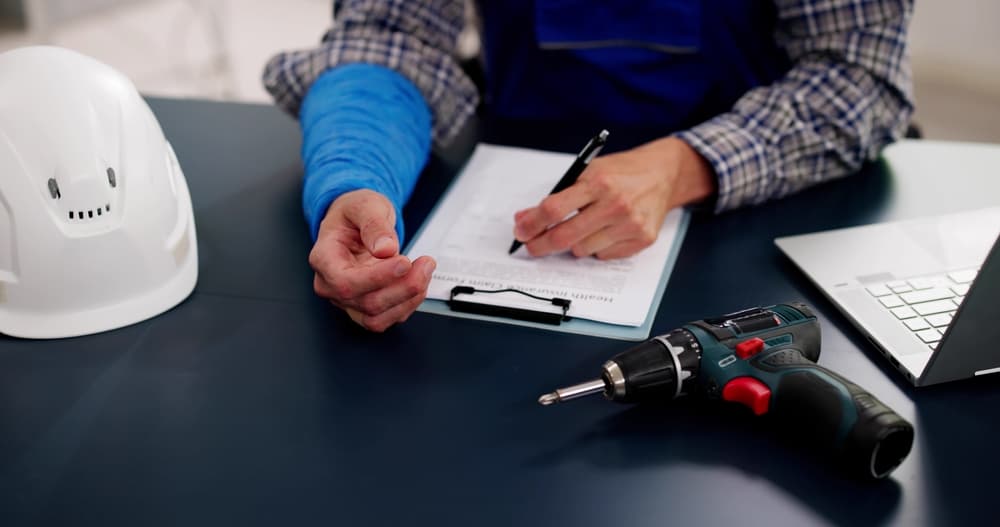
Our attorneys gather evidence that connects your heat illness directly to your job duties and work environment. We obtain weather records, document workplace conditions, and work with medical professionals to establish that your employment contributed significantly to your condition.
From roofers working in Marietta to delivery drivers covering routes through Decatur, we have represented workers across the Atlanta metro area in claims involving heat-related injuries during Georgia’s summer months.
Building a Strong Heat Illness Claim With an Atlanta Workers’ Compensation Lawyer at Hasner Law
When you contact Hasner Law about a heat-related workplace illness, we carefully document the conditions you faced on the day you became ill, including temperature, humidity, and the physical demands of your job. We also evaluate whether your employer provided sufficient water, rest breaks, and access to shade in accordance with federal workplace safety guidelines.
Insurance carriers frequently attempt to shift blame by pointing to pre-existing medical conditions or personal factors unrelated to work. Our Atlanta workers’ compensation attorneys anticipate these tactics and proactively gather evidence to counter them.
We focus on demonstrating that your work environment subjected you to excessive heat exposure beyond what the general public encounters, as required under Georgia law for a valid heat illness claim.
FAQs for Atlanta Workers’ Compensation Lawyers
Does Georgia have specific laws requiring employers to protect workers from heat illness?
Georgia does not have a state-specific heat illness prevention standard. However, employers must comply with OSHA’s General Duty Clause, which requires workplaces free from recognized hazards likely to cause death or serious physical harm. OSHA published a proposed federal heat standard in August 2024 that may eventually create more specific requirements for employers nationwide.
What if my employer claims my heat illness resulted from a personal health condition?
Insurance carriers frequently argue that heat illness resulted from pre-existing conditions rather than work exposure. Your Atlanta workers’ compensation lawyer may counter this defense by documenting workplace conditions, gathering medical evidence, and demonstrating that your job duties created heat exposure beyond what the general public faces.
How much time do I have to report a heat illness to my employer in Georgia?
Georgia law requires you to report workplace injuries to your employer within 30 days of the incident. For heat illness, report as soon as possible after receiving medical treatment. Put your report in writing and keep a copy for your records.
What benefits may I receive for a heat-related illness under Georgia workers’ comp?
If your claim is approved, you may be entitled to medical benefits for treatment related to your work‑related heat illness, including emergency care, hospitalization, and follow-up appointments. You may also qualify for temporary disability benefits if you miss work during recovery, calculated at two-thirds of your average weekly wage up to the state maximum.
What if I returned to work too soon and suffered another heat illness episode?
Returning to work before fully recovering from heat illness increases your risk of recurrence. If you suffer a subsequent heat-related episode connected to your original workplace injury, it may, depending on medical findings and the Georgia State Board’s review, be treated as part of your existing claim. Document the recurrence and report it to your employer promptly.
Protect Your Rights With Help From an Atlanta Workers’ Compensation Lawyer

Heat illness strikes quickly and may cause lasting damage to your health and your ability to work. Georgia employers have obligations to protect workers from foreseeable heat hazards, and workers who suffer heat-related illness on the job have legal options under the state’s workers’ compensation system.
Hasner Law represents workers across Atlanta, Savannah, and throughout Georgia who need an Atlanta workers’ compensation lawyer to fight for their heat illness claims. Our team works to promptly document your case, communicate with insurance carriers, and pursue any benefits that may be available to you under Georgia law.
Do not let a preventable workplace illness derail your life and your income. Contact Hasner Law now for a free consultation and take the first step toward protecting your claim.
Hasner Law PC – Atlanta Law Office
2839 Paces Ferry Rd SE #1050
Atlanta, GA 30339
(678) 888-4878
Hasner Law PC – Savannah Law Office
221 W York St
Savannah, GA 31401
(912) 234-2334
