

Stephen Hasner | Slip and Fall | September 18, 2026
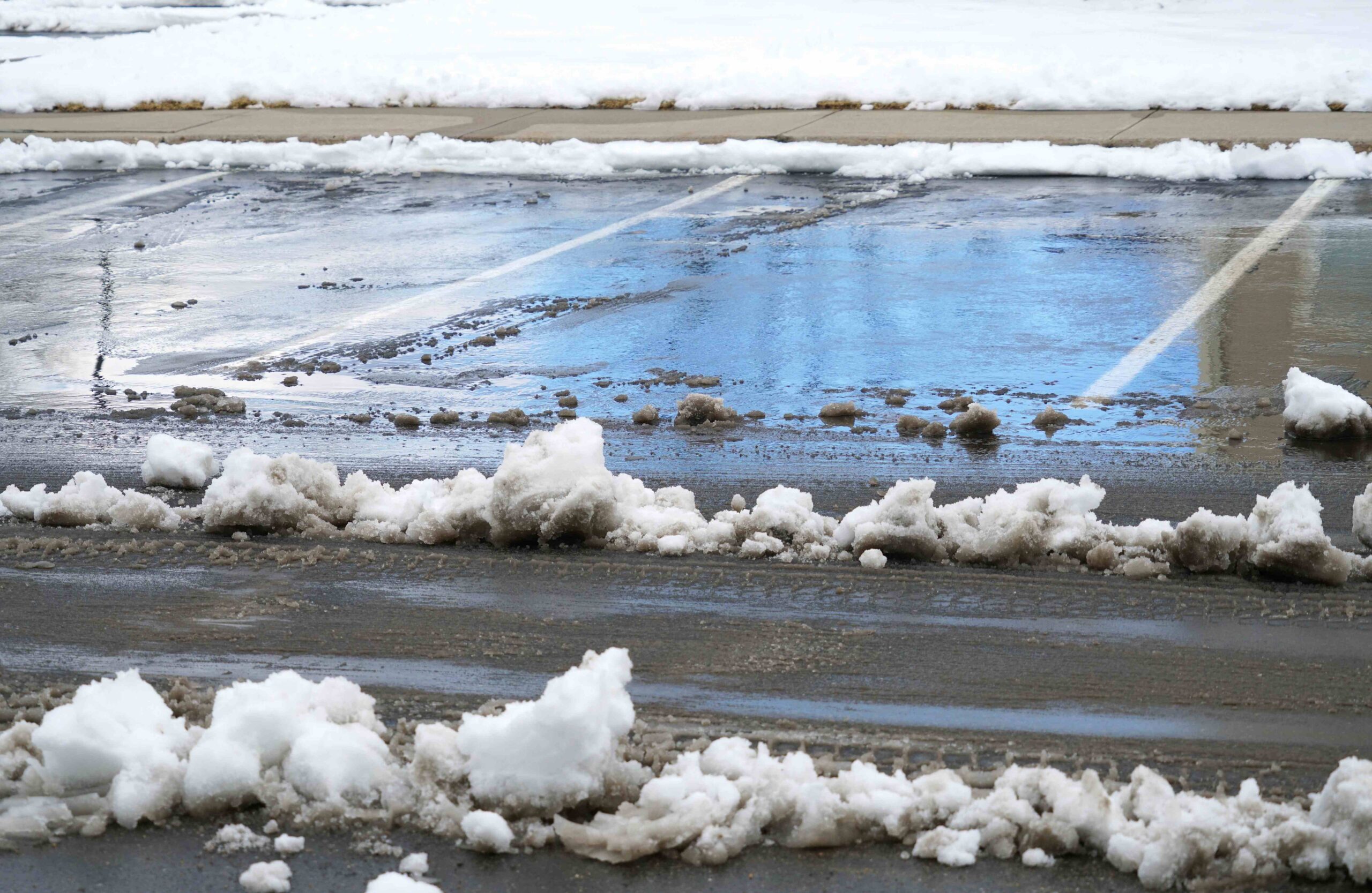
A common belief in metro Atlanta is that you cannot sue over a fall on ice because weather is nobody’s fault. That belief is not accurate under Georgia law.
Winter slip and fall claims in Atlanta may succeed when the property owner’s own conduct made the hazard worse than a natural accumulation, or when the owner had notice of a specific hazard and failed to take reasonable action within a reasonable time.
Georgia law treats weather cases with more nuance than a simple yes or no. Reviewing the facts of a specific winter fall with a Georgia slip and fall attorney may clarify whether a claim exists.
Key Takeaways About Winter Slip and Fall Claims in Atlanta
- Georgia law does not automatically bar recovery for slip and fall claims involving ice or snow.
- The natural accumulation concept is not an absolute rule, and Georgia courts examine the specific facts.
- Claims are stronger when the ice or snow was made worse by the owner, such as through poor drainage, faulty gutters, or unsafe salting practices.
- Weather records, timing reconstruction, and photos of the specific hazard often decide these cases.
- Georgia’s modified comparative negligence rule may reduce recovery based on the injured person’s own conduct.
Winter slip and fall claims in Atlanta may proceed against a property owner when the ice or snow was more than a natural accumulation, when the owner had notice of the hazard, and when the injured person did not have equal or greater knowledge of the danger. Georgia does not automatically bar recovery for weather-related falls.
What Is the Natural Accumulation Rule in Georgia?
The natural accumulation concept in Georgia generally holds that a property owner may not have an affirmative duty to discover and remove ice or snow that accumulated purely from natural weather conditions, absent additional circumstances.
The rule is not an absolute bar to recovery, and Georgia courts have recognized situations where liability may still attach.
Situations where a Georgia property owner may still face liability despite natural accumulation include:
- The owner attempted to remove ice or snow but did so negligently, leaving a more dangerous condition than existed before.
- The accumulation was caused or worsened by a property defect such as a leaking gutter, broken downspout, or improper drainage.
- The owner had actual or constructive notice of a specific hazard and failed to take reasonable remedial action within a reasonable time.
- The hazard existed on an interior surface where tracked-in moisture created ice or slick conditions.
- The property involved specific inspection or maintenance duties tied to its use.
The analysis often turns on evidence about the property’s condition before, during, and after the weather event.
When Does a Georgia Property Owner Have to Address Ice or Snow?
A Georgia property owner’s duty to address ice or snow depends on ordinary-care principles applied to the specific facts.
Liability may arise when the accumulation was not purely natural, when the owner caused or worsened the hazard, when the owner had actual or constructive notice, when reasonable remedial action was not taken within a reasonable time, and when the owner had superior knowledge of the specific danger.
The Freeze-Thaw Pattern in Atlanta
Atlanta’s climate produces a specific pattern of freeze-thaw events where daytime temperatures rise above freezing and overnight temperatures drop back down. This may create dangerous refreeze conditions on surfaces that appeared safe hours earlier.
Property owners aware of that pattern may face duty questions about specific refreeze hazards on their walkways, entrances, and parking areas.
The Plaintiff-Side Knowledge Question
The plaintiff-side knowledge question also matters in Georgia weather cases. Georgia premises liability law generally requires the injured person to show they did not have equal or greater knowledge of the specific hazard despite exercising ordinary care.
General awareness that it was cold outside is not the same as knowing about a specific patch of black ice hidden by shadow or debris.
What Kinds of Winter Falls May Support an Atlanta Claim?
Winter falls in Atlanta that may support a claim generally involve either owner conduct that made a hazard worse or a specific known danger the owner failed to address.
Not every winter fall produces a viable case, but many that people assume are hopeless are workable when the facts are examined closely.
Common Atlanta winter fall scenarios that may support a claim include:
- A fall on an apartment complex sidewalk where the property’s poor drainage caused water to pool and freeze in the same spot repeatedly.
- A fall at a store entrance where salt or ice-melt was applied to some areas but not the specific entry the customer used.
- A fall on a parking lot where the owner cleared driving lanes but left pedestrian walkways untreated.
- A fall on interior tile near an entrance where tracked-in moisture pooled and no mats or warning signs were placed.
- A fall on a stairway where handrails were absent or damaged, and the icy conditions made the missing safety feature more dangerous.
Each scenario turns on evidence about what the owner knew, what the owner did or failed to do, and how the specific hazard compared to a purely natural accumulation.
What Evidence Matters Most in a Winter Slip and Fall Case?
Evidence in a winter slip and fall case in Atlanta generally focuses on the exact conditions at the time of the fall, the property owner’s response to the weather event, and any prior complaints at the same location. Weather-related cases live or die on the specific timing and condition record.
Categories of Evidence That May Support the Claim
The table below summarizes the main evidence categories, why each matters, and where each generally comes from.
| Evidence Type | Why It Matters | Where It Comes From |
| National Weather Service records | Establishes temperature, precipitation, and freeze-thaw timing | NOAA and NWS databases |
| Photos of the specific hazard | Shows the actual surface condition and any owner treatment | Injured person, bystanders, or witnesses |
| Property inspection or treatment logs | Shows whether the owner addressed the hazard | Owner or manager through preservation letter |
| Surveillance video | Captures both the hazard and the fall | Property owner or corporate claims department |
| Prior complaint records | Establishes the owner’s notice of recurring problems | Discovery in litigation |
| Witness statements | Describes conditions, visibility, and owner response | Bystanders and property employees |
Getting a preservation letter to the property owner promptly is often the practical first step, because surveillance footage may be overwritten and inspection logs may become harder to obtain over time.
How Does Georgia Comparative Negligence Apply to Winter Falls?
Georgia’s modified comparative negligence rule under O.C.G.A. § 51-12-33 generally applies to winter slip and fall cases and may reduce recovery based on the injured person’s own conduct.
A plaintiff who is 50 percent or more responsible for the fall generally may not recover damages, and damages are reduced proportionately below that threshold.
Common Defense Arguments in Weather Cases
Defense arguments in Atlanta winter fall cases often focus on the injured person’s footwear choice, awareness of the weather conditions, and decision to walk in a specific area rather than an alternative route.
Whether those arguments succeed depends on the facts, and Georgia juries often assess these situations differently than defense attorneys initially assume when the specific hazard was more dangerous than an obviously visible icy patch.
How Long Do You Have to File an Atlanta Winter Slip and Fall Claim?
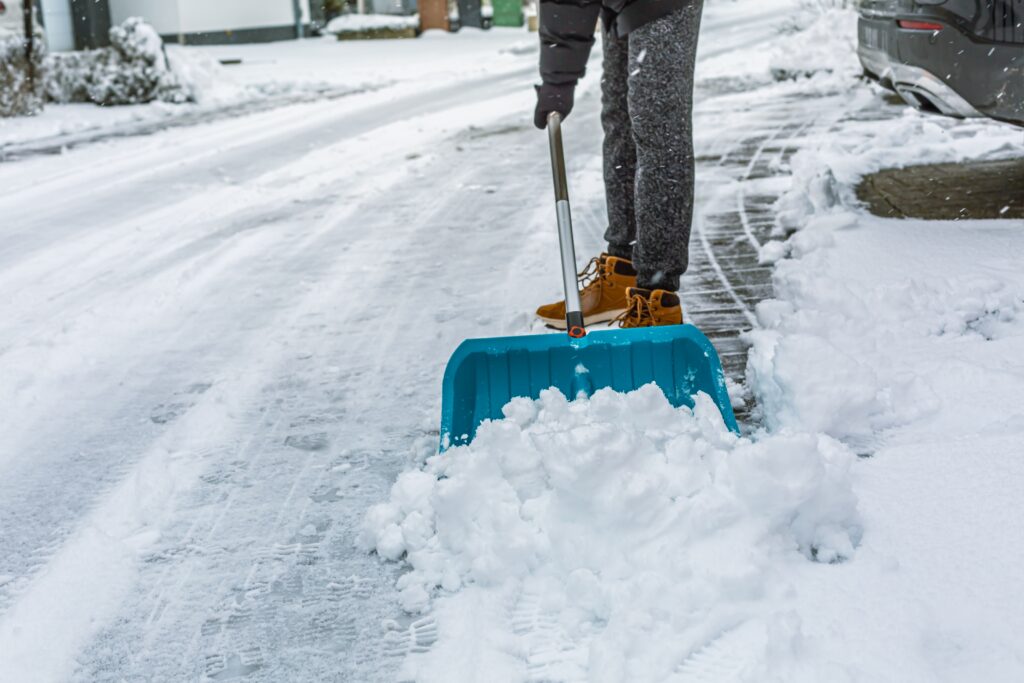
You generally have two years from the date of the fall to file a Georgia personal injury lawsuit under O.C.G.A. § 9-3-33. That two-year limitations period is the lawsuit deadline and is not the same as any deadline for submitting an insurance claim.
Shorter Government Property Deadlines
Government property claims generally follow shorter deadlines. Falls on municipal property in Atlanta generally require ante litem notice within six months under O.C.G.A. § 36-33-5, and county and state entity claims follow different rules.
Falls at MARTA stations or on other government-owned property may require early legal review to protect the applicable deadline.
Why Evidence Timing Runs Faster Than the Legal Deadline
Weather records remain accessible for years through the National Weather Service, but surveillance video, inspection logs, and witness memory may all become harder to secure within weeks or months. The practical evidence-preservation timeline often runs faster than the two-year lawsuit deadline.
How Weather-Related Falls Get Investigated Differently
Weather-related slip and fall cases in Atlanta generally require different investigative work than ordinary premises liability files.
The timing of the fall relative to the weather event, the exact condition of the ground surface, and any prior treatment or inspection by the property all become central in ways that a routine spill case does not raise.
Hasner Law has handled Georgia personal injury cases since 2008, and Stephen Hasner has more than 23 years of Georgia personal injury experience.
Our approach to a winter fall generally starts by pulling weather records from the National Weather Service for the specific date and time, reconstructing the freeze-thaw cycle in the hours before the fall, and identifying whether the property owner took any preparation steps.
Cases are handled on a contingency basis. The attorney fee comes from any recovery, and clients may remain responsible for case expenses under the fee agreement.
FAQs for Winter Slip-and-Fall Claims in Atlanta
Can I sue if I fell on ice in an Atlanta parking lot?
Yes, you may be able to sue after falling on ice in an Atlanta parking lot when the property owner’s conduct made the hazard worse than a natural accumulation, when the owner had notice and a reasonable chance to address the hazard, or when a property defect contributed to the ice formation.
The specific facts generally determine whether a claim is viable.
Does Georgia have a rule that property owners never have to shovel snow?
No, Georgia does not have a categorical rule that property owners never have to address snow or ice.
The natural accumulation concept is fact-specific, not absolute, and property owners may still face liability when they make hazards worse, when property defects cause the accumulation, or when they fail to address known hazards within a reasonable time.
What if I was wearing regular shoes instead of boots when I fell on ice?
Maybe you can still recover. Georgia’s comparative negligence rule may reduce recovery based on footwear choice or other conduct, but wearing regular shoes generally does not automatically bar recovery.
The jury weighs footwear choice against the specific hazard and the reasonableness of the injured person’s overall conduct.
Does the property owner have to warn about ice they know about?
Generally yes, when a property owner has actual or constructive knowledge of a specific icy hazard and a reasonable opportunity to warn, the owner may have a duty to post warnings, block off the area, or take other steps a reasonable owner would take.
Whether adequate warning was given is often a jury question.
How is a winter slip and fall different from an ordinary slip and fall in Georgia?
A winter slip and fall in Georgia differs from an ordinary slip and fall primarily in the analysis of natural accumulation and the plaintiff’s awareness of general weather conditions.
The core Georgia premises liability standard still applies, including owner knowledge and lack of equal plaintiff knowledge, but weather cases involve additional layers about the timing and cause of the specific hazard.
Get Answers About Your Atlanta Winter Slip and Fall Claim

Weather-related falls in Atlanta are often dismissed too quickly by injured people who assume Georgia law bars their claim.
The natural accumulation concept is more nuanced than the shorthand suggests, and cases involving refreeze cycles, poor drainage, incomplete treatment, or specific known hazards may support recovery even when the injury happened during or shortly after a weather event.
To review the specific facts of an Atlanta winter fall with a Georgia attorney, call Hasner Law at 678-888-4878. The initial call is at no cost and no obligation.