

Stephen Hasner | Workers' Compensation | July 8, 2026
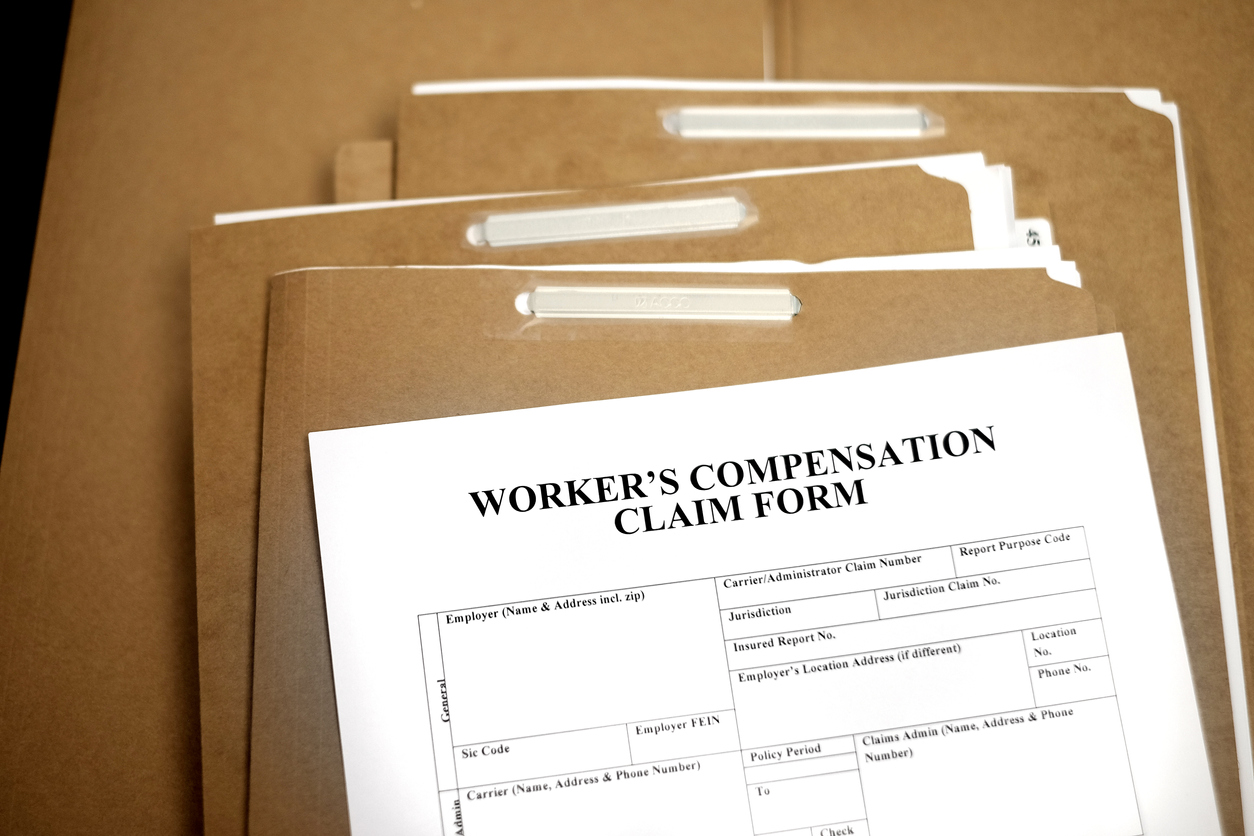
After a work injury in Georgia, the way you report the accident can affect whether your workers’ compensation claim is accepted, delayed, or denied. A clear written report helps show when the injury happened, where it happened, and who knew about it.
Georgia workers’ compensation law generally gives injured workers 30 days to notify their employer of a workplace injury and one year to file a formal claim with the Georgia State Board of Workers’ Compensation.
Those deadlines may seem manageable, but problems often start with small mistakes, such as relying only on a verbal report, using the wrong injury date, or waiting too long to file the right form.
Reporting the injury in the right order can help protect your medical benefits, wage benefits, and the record supporting your claim.
Key Takeaways for Reporting a Work Injury in Georgia
- Georgia workers must report a workplace injury to their employer within 30 days, but reporting on the same day or the next business day strengthens the claim.
- A verbal report may satisfy Georgia’s notice requirement, but written notice is much easier to prove if your employer later denies receiving notice.
- Form WC-14 is the official claim form you file with the SBWC if your employer’s insurer denies benefits or fails to act.
- The WC-14 deadline is generally one year from the injury, one year from the last employer-provided remedial treatment, or two years from the last weekly benefit payment.
- Georgia operates a no-fault workers’ comp system, so you may receive benefits even if your own actions contributed to the accident.
How do you report a work injury in Georgia and protect your claim?
To report a work injury in Georgia, you generally must notify your employer within 30 days of the accident under O.C.G.A. § 34-9-80 and file a formal claim with the Georgia State Board of Workers’ Compensation (SBWC) within one year under O.C.G.A. § 34-9-82. Missing either deadline may block your right to receive benefits, though limited exceptions exist depending on the circumstances.
What Is the Deadline to Report a Work Injury in Georgia?
Georgia law under O.C.G.A. § 34-9-80 generally requires you to notify your employer of a workplace injury within 30 days of the accident.
Missing that window may weaken or bar your claim, though Georgia courts have recognized limited exceptions when the employer already had knowledge of the injury or when the worker had a reasonable excuse for the delay.
Why Reporting Sooner Matters
The 30-day deadline is a maximum, not a target. Reporting on the same day or the next business day creates a documented record before anyone has time to dispute the details.
Insurers look for gaps between the injury date and the report date, and they use those gaps to argue that the injury happened somewhere else or was not as serious as you claim.
Written notice matters even though Georgia law allows oral notice. A verbal report may satisfy the notice requirement, but it is much harder to prove if your employer later denies that the conversation happened.
The following details strengthen a written injury report in Georgia:
- The date, time, and specific location where the injury happened
- A description of how the injury occurred and what body parts are affected
- The names of any coworkers or supervisors who witnessed the incident
- The date you gave notice to your employer
- A copy kept for your personal records
A clean paper trail built on the day of the injury is harder for an insurer to challenge than a verbal account recalled weeks later.
What Forms Do You Need to File a Workers’ Comp Claim in Georgia?
The main form for filing a workers’ compensation claim in Georgia is the WC-14, also called the Notice of Claim. You file this form with the SBWC if your employer’s insurer denies your claim, fails to start paying benefits, or disputes any part of your case.
When to File the WC-14
Under O.C.G.A. § 34-9-82, the filing deadline depends on what has happened in the claim. It is generally one year from the injury date, one year from the last remedial treatment furnished by the employer, or two years from the last weekly income benefit payment.

If the employer has furnished remedial treatment, the deadline may run one year from the last remedial treatment. If weekly income benefits have been paid, the deadline may be two years from the last weekly benefit payment.
The rules governing which trigger date applies are fact-specific and may vary by situation, so speaking with a Georgia workers’ comp attorney about your timeline is a good idea.
Filing the WC-14 preserves or initiates your formal claim with the SBWC. If you request a hearing, the dispute may be assigned to an administrative law judge.
Other Forms in the Georgia Workers’ Comp Process
Your employer and its insurer also have reporting duties. The employer generally completes Form WC-1, the First Report of Injury, and submits it to the insurer or self-insurer.
Certain injuries, including those involving seven or more days of lost time, must be reported to the SBWC within required deadlines.
The insurer files the WC-6, which documents your wage information. Errors on these forms may reduce your weekly benefit amount.
The following table outlines the key Georgia workers’ comp forms and who files them:
| Form | Filed By | Purpose |
| WC-1 (First Report of Injury) | Employer/Insurer | Reports the injury to the SBWC |
| WC-6 (Wage Statement) | Insurer | Documents your average weekly wage for benefit calculation |
| WC-14 (Notice of Claim) | Injured worker | Initiates a formal claim when benefits are denied or disputed |
| WC-PMT (Petition for Medical Treatment) | Injured worker or attorney | Requests authorization for medical treatment the insurer denied |
| WC-104 | Insurer | Notifies the employee that the authorized treating physician has released them to return to work with restrictions or limitations. |
Each of these forms has its own deadline and filing rules. An error on the WC-6 wage statement alone may lower every check you receive for the duration of your claim.
What Steps Protect Your Georgia Workers’ Comp Claim After Reporting?
Reporting the injury is only the first part of protecting a workers’ comp claim in Georgia. What you do in the days and weeks after the report shapes whether your claim moves forward or stalls.
Getting Medical Treatment Through the Panel
Georgia law requires you to pick a treating doctor from your employer’s posted panel of physicians. That panel must include at least six doctors. Your employer is legally required to post the panel in a visible location at the workplace.
If the employer failed to post the panel, or if the panel does not include the right type of specialist for your injury, you may have broader options for choosing your own doctor.
Many injured workers in Georgia do not realize this until after they have already locked in a panel physician.
Documenting Everything
Beyond the initial report, ongoing documentation protects your claim against common insurer tactics. The following records strengthen your position throughout the workers’ comp process:
- Written copies of every communication with your employer about the injury
- Medical records from every authorized visit, including diagnosis and work restrictions
- Pay stubs from the 13 weeks before the injury for wage verification
- Notes on any job duties your employer asks you to perform while injured
- Copies of all forms filed with the SBWC
Georgia insurers review your claim for any inconsistency they may use to reduce or deny benefits, so your records need to tell a consistent story from day one.
What Mistakes Cause Georgia Workers’ Comp Claims to Fail?
The most common reasons Georgia workers’ comp claims fail have nothing to do with the severity of the injury. They stem from reporting errors, missed deadlines, and procedural missteps that the insurer uses to deny or reduce benefits.
Errors We See Regularly
Our team handles workers’ comp cases in Fulton, Chatham, Cobb, and Gwinnett counties and across Georgia. The following mistakes come up over and over in claims that hit roadblocks:
- Waiting more than a few days to report the injury, even when the 30-day deadline has not passed
- Giving only a verbal report and keeping no written record
- Treating with a doctor outside the employer’s panel without proper authorization
- Accepting the insurer’s wage calculation without verifying the numbers against your actual pay stubs
- Missing the WC-14 filing deadline because the insurer informally handled payments
Every one of these mistakes gives the insurer leverage to reduce what you receive or shut down your claim entirely. The Georgia workers’ comp system has strict procedural rules, and insurers know those rules better than most workers do.
If your claim has already hit a snag because of a reporting issue, call Hasner Law at 678-888-4878. We review denied and disputed claims from our offices in Atlanta, Savannah, Downtown Atlanta, and Kennesaw.
How Hasner Law Protects Georgia Workers’ Comp Claims From the Start
Reporting errors are among the most common reasons Georgia workers’ comp claims run into problems.

Our attorneys handle workers’ compensation cases across Georgia every day, and we see the same preventable mistakes over and over: late reports, missing documentation, and workers who accept the insurer’s first response without question.
Our Role in Georgia Workers’ Comp
Our attorneys bring more than 100 years of combined experience handling personal injury and workers’ compensation cases across Georgia.
Hasner Law has recovered more than $1 billion for injured clients across Georgia. Past results do not guarantee a similar outcome.
Stephen Hasner co-founded the Georgia Injured Workers’ Advocates (GIWA) and serves on the executive committee. That policy-level involvement gives our team direct insight into how the Georgia workers’ comp system operates from the inside.
No Fee Unless We Win, so you pay nothing in attorney’s fees unless we recover benefits for you.
Ask Hasner Law
I told my supervisor about my injury but did not put it in writing. Is my claim at risk?
A verbal report may satisfy the notice requirement under Georgia law, but it is much harder to prove if your employer denies the conversation happened. Written notice, even a text message or email, creates a record with a timestamp.
If you gave only verbal notice, writing a follow-up message that confirms the date and details of the conversation may help protect your claim.
My employer filed the WC-1 but the insurer has not started paying benefits. What do I do?
Filing a WC-14 with the SBWC is the formal step to request a hearing and compel the insurer to respond. Georgia law requires insurers to accept or deny a claim within 21 days of receiving the WC-1 from the employer.
If the insurer has not acted, the WC-14 puts your case in front of an administrative law judge who has the authority to order benefits.
I missed more than 30 days before reporting my work injury. Is it too late?
It depends on the circumstances. Georgia courts have recognized limited exceptions to the 30-day reporting rule, including situations where the employer already had knowledge of the injury or where the worker had a reasonable excuse for the delay.
However, late reporting gives the insurer a strong argument to deny the claim. Speaking with a Georgia workers’ comp attorney about the specific facts of your situation is the best way to determine whether your claim may still move forward.
FAQs for Reporting a Work Injury in Georgia
Do I have to report a work injury in Georgia even if I think it is minor?
Yes, reporting even a minor work injury in Georgia protects your right to benefits if the condition worsens later.
Many workplace injuries, including back strains and repetitive stress conditions, seem minor at first but develop into serious problems over weeks or months.
Without an initial report on file, the insurer may argue that the later condition is unrelated to work.
Does my employer have to file paperwork after I report a work injury in Georgia?
Yes. After a reported workplace injury, the employer/insurer generally has reporting obligations, and the WC-1 is the First Report of Injury used in that process.
If your employer or insurer does not act, you may still be able to file your own WC-14 directly with the SBWC.
Do I need a lawyer just to report a work injury in Georgia?
Not necessarily for the initial report itself, which you handle by notifying your employer.
However, if the insurer denies your claim, disputes the injury, or calculates your wages incorrectly, having an attorney review your case before you accept any offer or sign any paperwork is a good idea.
Many claim problems start with errors in the early stages that a lawyer may catch and correct.
What if my employer fires me after I file a workers’ comp claim in Georgia?
Georgia is an at-will employment state, and the law does not provide a broad private cause of action for retaliatory discharge based solely on filing a workers’ compensation claim.
While O.C.G.A. § 34-9-18 imposes penalties for certain employer misconduct related to workers’ comp claims, it does not create the same wrongful termination protections that exist in some other states.
If your employer fires you after you report a work injury, speaking with a Georgia attorney about your specific situation and any other potential legal claims is a good idea.
Report Your Georgia Work Injury the Right Way From Day One

A clean, well-documented injury report sets the foundation for every benefit you may receive under Georgia workers’ comp law. The deadlines are strict, the forms matter, and the insurer starts reviewing your claim the moment your employer files the WC-1.
Hasner Law handles workers’ compensation claims from offices in Atlanta, Savannah, Downtown Atlanta, and Kennesaw. Workers’ comp is the core of our practice, and we work with injured Georgia workers at every stage of the claims process.
No Fee Unless We Win. Call 678-888-4878 to talk through the status of your claim.
