

Rankings.io | Motor Vehicle Accidents | October 14, 2026
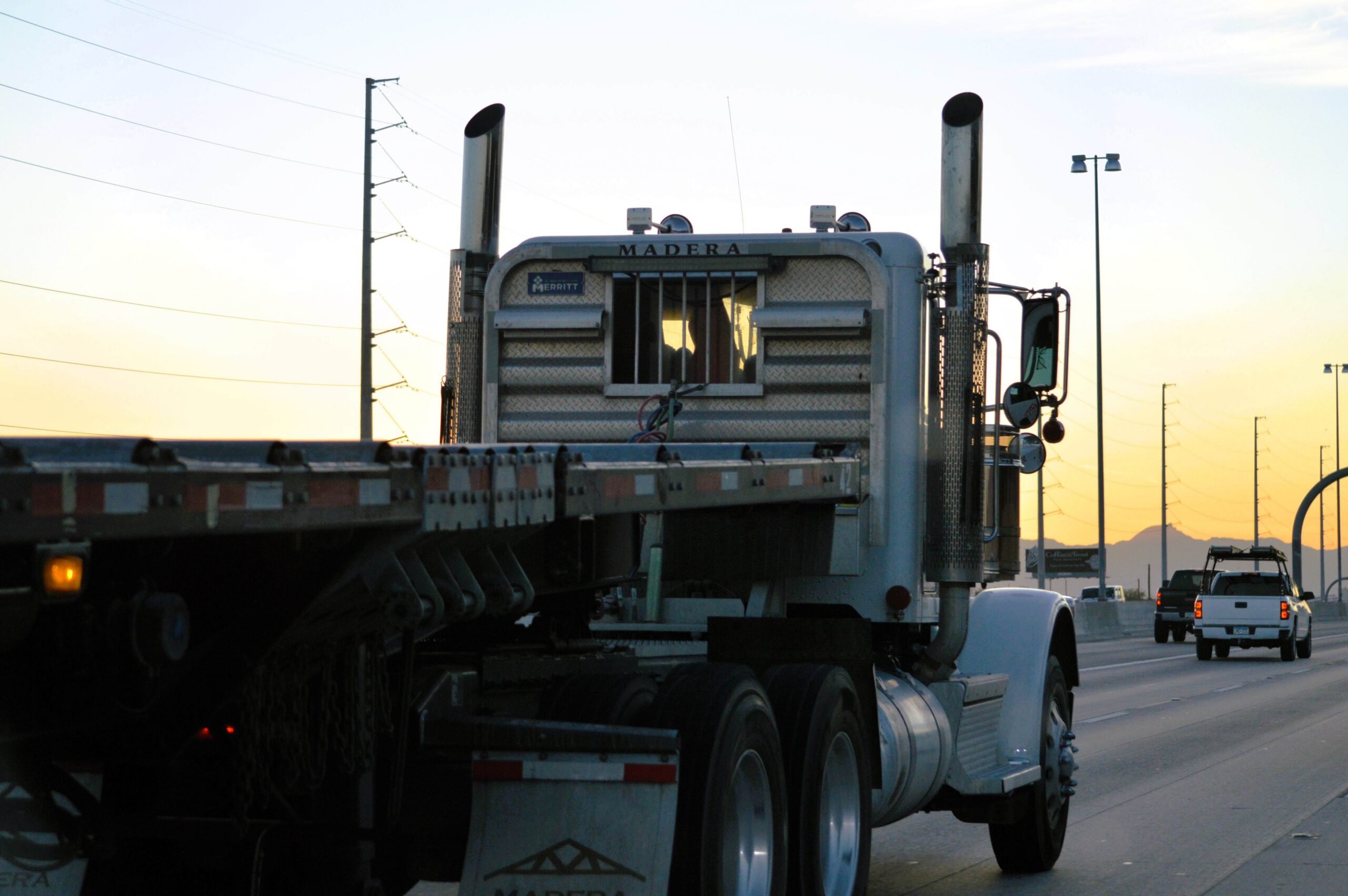
Federal hours-of-service rules can become a major part of a Georgia truck accident claim when driver fatigue contributed to the crash. These rules limit how long many commercial drivers may stay behind the wheel and require specific rest periods between driving shifts.
In a truck driver hours of service accident, the key questions are whether the driver exceeded those limits, whether the trucking company knew or encouraged it, and whether the records still exist to prove what happened.
Electronic logging device data, dispatch records, delivery schedules, fuel receipts, and other records may help reconstruct the driver’s hours before the collision. Because some trucking records are kept for limited periods, preserving that evidence early can matter.
Key Takeaways About Truck Driver Hours-of-Service Claims
-
- Federal Hours of Service rules limit commercial truckers to 11 hours of driving inside a 14-hour on-duty window, with weekly caps of 60 or 70 hours.
-
- A violation of these rules may serve as evidence of negligence in a Georgia truck accident claim.
-
- Electronic logging device data, dispatch records, and delivery schedules often prove or disprove a fatigue violation.
-
- The trucking company, not only the driver, may be liable when its scheduling pressured a driver past legal limits.
-
- Some trucking records have short retention periods, so early legal action helps preserve the proof.
How Can Federal Truck Driver Rest Rules Affect Liability After a Georgia Crash?
Truck driver hours of service rules affect a Georgia accident claim by setting federal limits on driving time that, when broken, may serve as evidence of negligence against the driver and the trucking company. Electronic logging device data and dispatch records often prove whether a driver exceeded those limits. Georgia gives most injury victims two years to file.
What Are the FMCSA Hours-of-Service Rules for Truck Drivers?
The Federal Motor Carrier Safety Administration (FMCSA) Hours of Service rules limit how long a commercial driver may operate before taking mandatory rest. These federal limits apply to most interstate truckers hauling freight and exist to reduce fatigue-related crashes. The core rules appear in 49 CFR Part 395.
The main limits for property-carrying drivers break down into a handful of hard caps.
| Rule | Limit |
|---|---|
| Driving limit | 11 hours maximum after 10 consecutive hours off duty |
| On-duty window | No driving beyond the 14th consecutive hour on duty |
| Rest break | 30-minute break required after 8 cumulative hours of driving |
| Weekly cap | 60 hours in 7 days, or 70 hours in 8 days |
| Restart | 34 or more consecutive hours off duty resets the weekly clock |
These caps run on rolling clocks, and the 14-hour window does not pause for meals, fuel, or loading time. A driver who spends hours at a loading dock may run out of legal driving time before finishing a route. That pressure is exactly where violations start.
A driver who pushes past these limits to make a delivery deadline is driving in violation of federal law. When a tired trucker causes a crash in Georgia, that violation becomes a central piece of the injury claim.
How Does an FMCSA Hours-of-Service Violation Affect Your Georgia Accident Claim?
In an FMCSA hours-of-service violation accident, that violation may serve as strong evidence of negligence in a Georgia truck accident claim. Georgia law lets an injured person show that another party failed to act with reasonable care, and breaking a federal safety rule helps prove that failure.
A logbook that shows a driver behind the wheel for 13 hours straight is difficult for a defense lawyer to explain away.
Georgia follows a modified comparative fault rule under O.C.G.A. § 51-12-33. An injured person may recover as long as they are less than 50% at fault, with recovery reduced by their share of the blame. A clear federal violation by the trucker helps keep the fault where it belongs.
Several types of records help prove a fatigued truck driver accident in Georgia. Each one tells part of the timeline.
-
- Electronic logging device (ELD) data showing actual drive and rest times
-
- Dispatch and delivery records showing the schedule the driver was told to keep
-
- Fuel receipts and toll records that place the truck at specific times and locations
-
- Cell phone records that may show activity during required rest periods
-
- Bills of lading and weigh station logs that reconstruct the route
Put together, these records may reveal whether the driver’s reported hours match the truck’s electronic, dispatch, fuel, toll, and location data. A truck driver logbook accident claim frequently turns on the gap between the driver’s reported hours and what the electronic data actually recorded.
Who Is Liable in a Fatigued Truck Driver Accident?
Both the driver and the trucking company may be liable in a fatigued truck driver accident. The driver bears responsibility for operating past federal limits. The company may share or carry that liability when its own conduct pushed the driver there.
Carrier liability comes up in more situations than many injured people expect. The reasons often trace back to company decisions rather than a single driver’s choice.
-
- Scheduling loads that a driver cannot legally complete within Hours of Service limits
-
- Pressuring drivers to meet deadlines that require skipping mandatory rest
-
- Paying by the mile in ways that reward speed over compliance
-
- Failing to monitor ELD data that showed a pattern of violations
-
- Hiring or keeping drivers with known Hours of Service records
A trucking company may also be liable under a legal idea called vicarious liability, which holds an employer responsible for an employee acting within the scope of the job.
When both the driver and carrier may be legally responsible, identifying both may help uncover all potentially available sources of insurance coverage. That difference often decides whether a serious injury gets fully covered.
What Warning Signs Point to Driver Fatigue in a Truck Crash?
Certain crash patterns and physical clues point to driver fatigue in a truck crash. Fatigue rarely announces itself, so the evidence usually shows up in how the crash happened and what the records reveal afterward. Recognizing these signs early helps an attorney know where to look.

Common indicators of a fatigue-related truck crash include the following.
-
- No skid marks or braking before impact, suggesting the driver never reacted
-
- A rear-end or lane-drift crash consistent with a driver falling asleep
-
- A crash during high-risk fatigue hours, often late night or early morning
-
- Logbook entries that conflict with fuel, toll, or GPS records
-
- A driver statement admitting long hours or a tight delivery window
Physical evidence at the scene fades quickly, and a driver’s account tends to change once a lawyer gets involved.
A prompt review by an attorney helps lock down the signs while they still tell a clear story. The pattern of a crash often says more about fatigue than the driver ever will.
Why Trucking Cases Call for a Different Kind of Preparation
Trucking cases run on federal regulations that ordinary car accident claims never touch. A crash with a commercial truck brings in the Federal Motor Carrier Safety Administration (FMCSA) rulebook, corporate defendants, and layers of insurance that a two-car fender bender does not.
Our attorneys build these claims around that regulatory framework from day one.
Hasner Law has handled Georgia injury and workplace claims since 2008. Stephen Hasner, our managing attorney, has practiced Georgia injury law since 1999. We treat a truck accident as a regulatory case as much as a personal injury case, because the federal rulebook often decides who wins.
Fatigue claims in particular reward early, aggressive evidence work. The proof tends to sit inside the trucking company, and companies rarely volunteer records that hurt them. Reaching out to a lawyer quickly after a truck crash gives that evidence a chance to survive.
FAQs for Truck Driver Hours-of-Service Accidents
How Do I Prove a Truck Driver Was Too Tired to Drive in Georgia?
You prove a fatigued truck driver accident mainly through electronic logging device data, dispatch records, and physical evidence from the crash.
ELD systems automatically record driving time and other duty-status information, which may be compared with dispatch, GPS, fuel, and toll records to identify inconsistencies. An attorney may request these records early before the carrier’s retention period runs out.
Can I Sue the Trucking Company and Not Just the Driver?
Yes, you may sue the trucking company along with the driver in many Georgia truck accident cases. The company may be liable when its scheduling, pay structure, or hiring practices pushed a driver past federal Hours of Service limits. Naming the carrier also helps identify every insurance policy that may apply.
What Is an Electronic Logging Device and Why Does It Matter for My Claim?
An electronic logging device (ELD) is a federally required unit that automatically records a commercial driver’s hours behind the wheel.
It matters because it captures actual drive time and duty status directly from the truck. ELD data often becomes the central evidence in a truck driver hours of service accident.
How Long Do I Have to File a Truck Accident Claim in Georgia?
You generally have two years from the date of the crash to file a truck accident lawsuit in Georgia under O.C.G.A. § 9-3-33. Waiting risks both the legal deadline and the loss of trucking records that carriers keep for limited periods. Early action protects the claim and the evidence.
Does a Truck Driver Breaking Federal Rules Mean the Case Is Automatic?
No, a federal violation does not make a truck accident case automatic. The violation is strong evidence of negligence, but you still must prove the violation caused your injuries and show your damages.
A defense lawyer may still dispute fault, which is why the supporting records matter.
Take the First Step on Your Truck Driver Hours-of-Service Accident Claim

The evidence that proves a tired trucker caused your crash has a shelf life, and the trucking company knows it.
Every week that passes gives the carrier more room to cycle out logs, overwrite ELD records, and shape the driver’s story. The injured person who moves first holds the leverage.
Our attorneys at Hasner Law know where trucking fatigue evidence hides and how fast to go after it. Whether your crash happened on I-75 south of Atlanta, along I-16 near Savannah, or on any Georgia freight route, get an Atlanta truck accident lawyer looking at the records now.
Call 678-888-4878 for a free consultation, available 24 hours a day.
You pay no legal fees unless we win your case. Prior results do not guarantee a similar outcome, and every case turns on its own facts.