

Rankings.io | Car Accidents | October 19, 2026
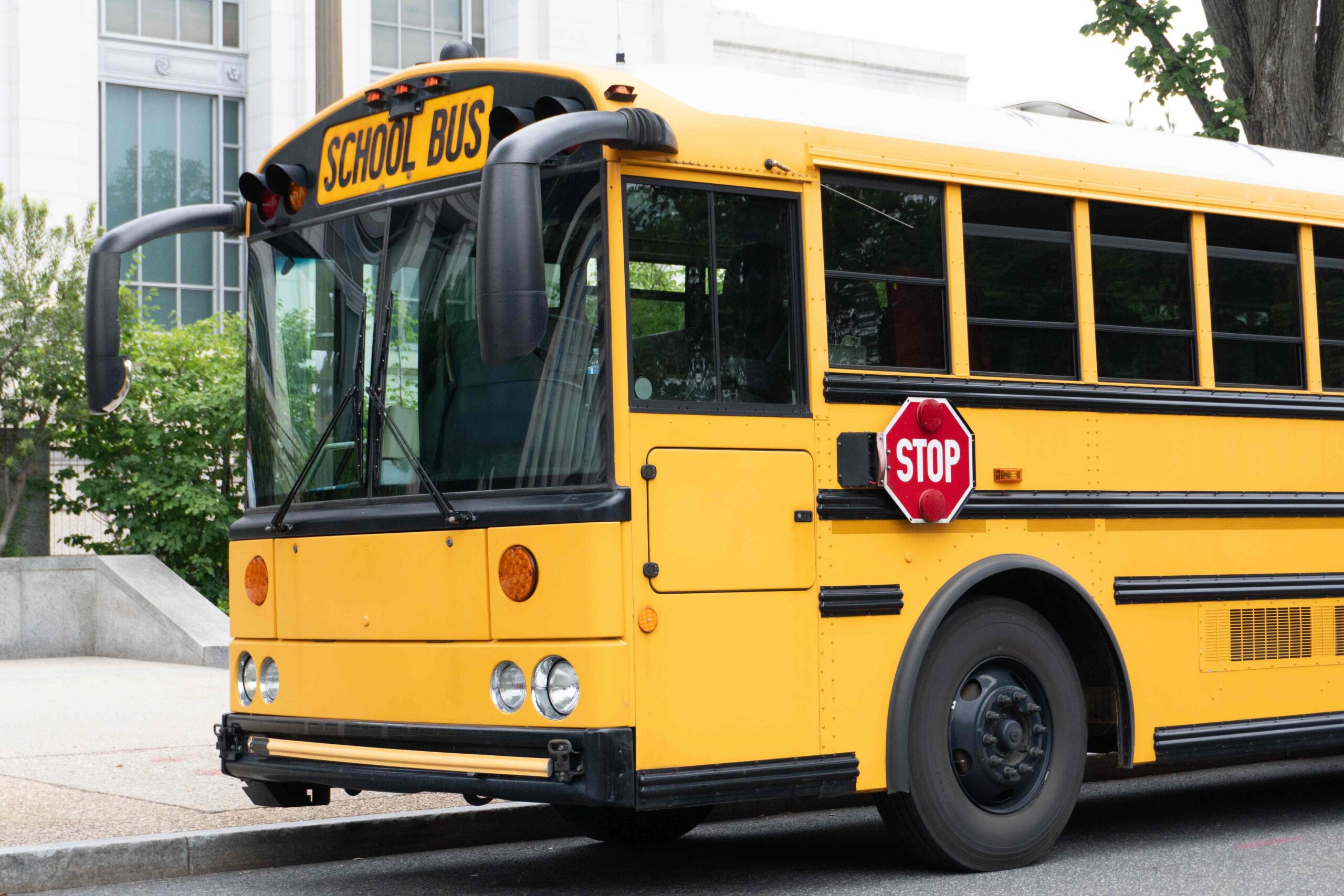
A school bus crash looks like an ordinary wreck and follows very different rules. Your rights after a school bus accident in Georgia depend heavily on who owned the bus and whether the responsible party is a government body.
When a public school district is involved, a legal doctrine called sovereign immunity, which shields government entities from many lawsuits, shapes almost everything about the claim.
That does not mean an injured child’s family has no path to recovery. Georgia law provides ways to reach compensation, often through the insurance a district carries or through a private party who shares the blame. The right path depends on the facts of the crash.
Key Takeaways About Your Rights After a Georgia School Bus Accident
- A public school district generally has sovereign immunity, which limits when it may be sued.
- That immunity may be waived to the extent the district carries applicable motor vehicle liability insurance.
- A private driver who caused the crash has no immunity and may be pursued like any at-fault motorist.
- Whether the bus was public or private changes the rules, the deadlines, and the available coverage.
- Legal deadlines for these claims vary by defendant, so an early review protects a family’s options.
Quick Answer: What Rights Do You Have After a Georgia School Bus Accident?
A public school district in Georgia generally has sovereign immunity, but that immunity may be waived when applicable motor vehicle liability insurance covers the school bus claim. Your rights after a school bus accident depend on who owned the bus and who was at fault. Claims involving a city, county, state agency, private company, or another driver may follow different rules and deadlines.
Can You Sue a School District After a Bus Accident in Georgia?
You may be able to sue a Georgia school district after a bus accident, but only to the extent the district has waived its sovereign immunity.
A public school district is generally immune from lawsuits, so a claim depends on finding a valid waiver. For a school bus crash, that waiver often turns on the insurance the district carries.
Georgia law treats a school district differently from a city or county for immunity purposes. A district may waive its immunity by purchasing motor vehicle liability insurance that applies to the crash.
How Insurance May Waive a School District’s Immunity
A school district’s sovereign immunity may be waived when it buys motor vehicle liability insurance covering the bus.
Under O.C.G.A. § 33-24-51, a government entity that purchases liability insurance for a motor vehicle waives immunity up to the limits of that coverage.
Georgia courts have applied this rule to allow school bus injury claims to the extent of the district’s insurance.
The applicable policy limits generally cap the amount recoverable from the school district under the insurance-based waiver, even when the child’s total damages are higher. Confirming what insurance applies is a central part of evaluating a school bus case.
What Bus Situations May Support a Claim
A school bus injury claim generally arises from the operation of the bus itself. Georgia law lets students bring claims tied to how the bus was used. The covered situations include several common scenarios.
- Injuries in a collision while the bus was moving
- Injuries during the loading or unloading of students
- Injuries caused by the negligent operation of the bus driver
- Injuries when a driver drops a child at an unsafe or unapproved stop
Each of these ties the harm to the use of the vehicle, which is the focus of the insurance-based waiver. A claim connected clearly to the operation of the bus fits that framework best.
Who Can Be Held Responsible for a Georgia School Bus Accident?
More than one party may be responsible for a Georgia school bus accident, and the mix changes the claim.
The bus driver, the school district, a private bus company, or another motorist may each share fault. Sorting out who is liable determines which rules, deadlines, and insurance apply.
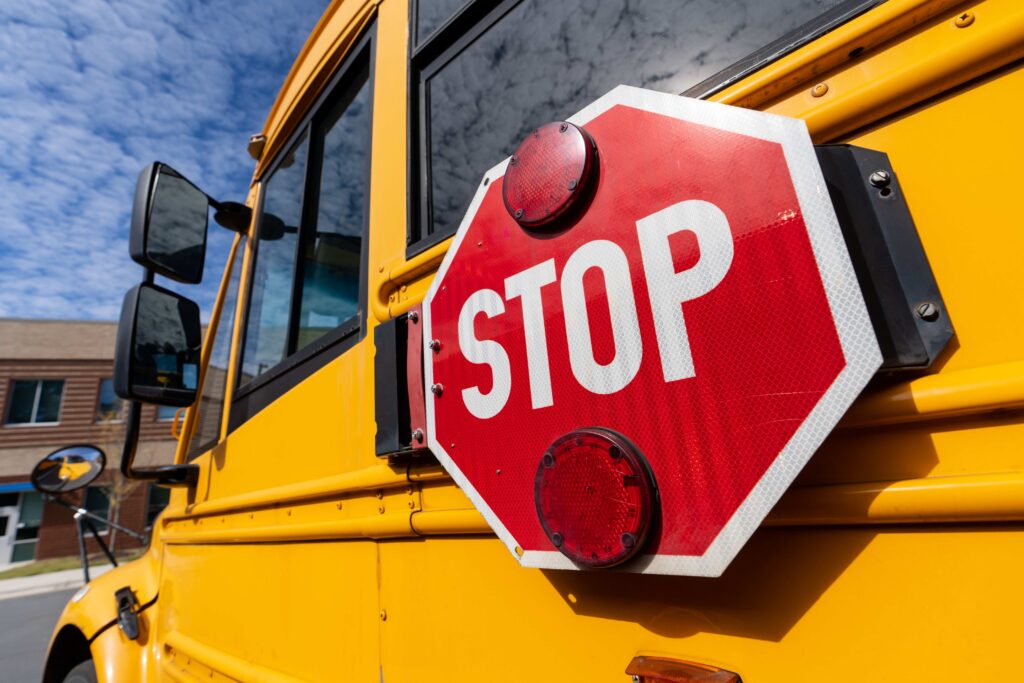
Responsibility for a school bus crash may fall on several parties depending on the facts.
- The school district, to the extent its insurance waives immunity
- A private company contracted to operate or maintain the buses
- Another driver who caused the collision with the bus
- A driver who illegally passed a stopped bus and struck a child
- A maintenance provider whose neglect led to a mechanical failure
A private motorist who caused the crash carries no sovereign immunity at all. That driver may be pursued like any at-fault motorist on the ordinary injury timeline, which sometimes gives a family a clearer route than the claim against the district.
A private bus company likewise follows standard injury rules rather than the immunity framework.
What Deadlines Apply to a Georgia School Bus Accident Claim?
Deadlines for a Georgia school bus accident claim depend on who the defendant is, and they vary widely.
A claim against a private driver or private company generally falls under Georgia’s two-year personal injury statute of limitations, although special tolling rules may apply when the injured person is a minor.
Government claims may carry separate notice requirements that are not necessarily extended by the child’s age. The chart below shows how the defendant changes the deadline picture.
| Defendant | General Deadline Framework |
|---|---|
| Private driver who caused the crash | Generally subject to O.C.G.A. § 9-3-33, with potential minority tolling for the child’s claim under O.C.G.A. § 9-3-90 |
| Private school or private bus company | Generally the same personal injury framework, including applicable tolling rules |
| A city itself | 6-month ante litem notice under O.C.G.A. § 36-33-5 |
| A county itself | 12-month presentment under O.C.G.A. § 36-11-1, subject to its statutory rules |
| A state agency | 12-month notice under the Georgia Tort Claims Act |
Georgia courts have held that a school district is separate from the city or county it serves, so those municipal and county notice deadlines do not automatically apply to a school district claim.
That distinction is easy to get wrong and may affect whether a claim survives. Because the correct deadline depends on the exact defendant, confirming it early is one of the most valuable steps a family may take.

What Compensation May Be Available After a School Bus Injury?
Compensation after a school bus injury may cover the child’s medical care, long-term needs, and related losses, within the limits the applicable coverage allows.
Because a school district claim is tied to available insurance, the coverage in place may affect the total recovery. What a family may pursue depends on the injuries, the defendant, and the sources of coverage.
The losses a claim may account for often include the following.
- Medical bills for emergency care, surgery, and rehabilitation
- Future medical costs for a serious or lasting injury
- Pain and suffering tied to the child’s injuries
- Costs the family took on because of the injury
- Wrongful death damages in the most tragic cases
Identifying every responsible party, including a private driver outside the immunity framework, sometimes opens additional coverage.
The value of these claims turns on both the injury and the sources of recovery available. A careful look at all available insurance often matters as much as proving fault.
How Does Sovereign Immunity Affect a Georgia School Bus Claim?
Sovereign immunity is the legal rule that shields government bodies, including public school districts, from most lawsuits.
A school bus claim against a public district runs into that shield first, which is what separates these cases from ordinary car accident claims. The claim proceeds only where the law recognizes a waiver of that immunity.
For a school bus crash, the most common waiver comes from the district’s own motor vehicle insurance under O.C.G.A. § 33-24-51. A district that carries applicable coverage may be sued to the extent of that policy.
A private party involved in the crash, by contrast, has no immunity and follows standard injury rules.
FAQs for School Bus Accident Claims in Georgia
What should I do first if my child was hurt on a school bus in Georgia?
Get your child medical care first, then preserve the details of the crash and seek legal advice promptly. A school bus claim may involve a government defendant with specific rules and deadlines.
Talking with a lawyer early helps identify the correct deadline while your child receives treatment.
Does it matter whether the bus was a public school bus or a private one?
Yes, whether the bus was public or private changes the rules significantly. A public school district has sovereign immunity, and a claim depends on a waiver tied to its insurance.
A private school or bus company generally follows ordinary injury rules, including the standard two-year deadline, subject to tolling rules for a minor.
Can I still recover if another driver caused the school bus crash?
Yes, you may pursue a claim against another driver who caused the school bus crash. That private motorist has no sovereign immunity and may be treated like any at-fault driver. When both a district and a private driver share fault, more than one source of recovery may apply.
How much can my family recover from a school district after a bus injury?
Recovery from a school district generally depends on the motor vehicle liability insurance the district carries. Georgia allows a claim to the extent that coverage waives the district’s immunity, so the policy limits often set the practical ceiling. A separate claim against a private party may fall outside that framework.
How long do I have to bring a school bus injury claim in Georgia?
The deadline depends on the defendant, and government claims may carry earlier requirements than private ones.
A claim against a private driver or company generally follows the two-year injury deadline, though Georgia’s minority-tolling rule under O.C.G.A. § 9-3-90 may extend the time for a child’s own claim.
A claim touching a government entity may involve separate notice rules that a child’s age does not necessarily extend, so early legal advice helps pin down the correct date.
Take Action to Protect Your Child’s School Bus Accident Claim in Georgia

Stephen R. Hasner, Managing Attorney
The hardest part of a Georgia school bus case is often not showing that someone was careless. It is untangling which defendant, which insurance, and which deadline actually control the claim before any of them slip away. That puzzle is exactly why families in this situation benefit from advice early rather than late.
The bus accident attorneys at Hasner Law can help identify who may be responsible, what coverage applies, and which deadline fits your child’s situation.
Call 678-888-4878 for a free consultation, available around the clock, and bring whatever you have about the crash and the bus. A single conversation may keep a valid claim from quietly slipping past a deadline.
You pay no attorney fees unless we recover for your family. Prior results do not guarantee a similar outcome, and every case turns on its own facts.