
Savannah Nursing Home Abuse Lawyers
A nursing home abuse lawyer in Savannah holds facilities accountable when they harm or neglect the residents entrusted to their care.
Hasner Law represents families of nursing home residents who suffered physical abuse, neglect, emotional mistreatment, or financial exploitation at long-term care facilities throughout Chatham County and the greater Savannah area.
Georgia law protects nursing home residents through the Bill of Rights for Residents of Long-Term Care Facilities, which grants residents the right to adequate care, freedom from restraints, privacy, and the ability to file grievances without retaliation.
When a facility violates these rights and a resident suffers harm, the resident or their family may pursue a civil lawsuit for damages.
Hasner Law takes nursing home abuse cases on a contingency-fee basis. You pay nothing unless the firm recovers compensation for your family. Call (912) 234-2334 for a free consultation.
Why Do Savannah Families Choose Hasner Law for Nursing Home Abuse Claims?
Savannah families choose Hasner Law for nursing home abuse claims because the firm has the experience and resources needed to investigate complex cases and hold facilities accountable for harm caused by neglect or abuse.
Nursing home abuse litigation often depends on uncovering internal facility records, analyzing staffing levels, and linking patterns of inadequate care to a resident’s injuries.
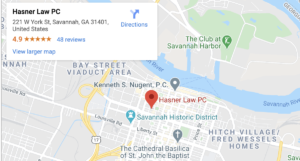
Hasner Law Injury & Workers’ Compensation Attorneys has more than 100 years of combined experience representing injury victims across Savannah, Atlanta, Kennesaw, and throughout Georgia.
The firm’s founding attorney, Stephen Hasner, co-founded the Georgia Injured Workers’ Advocates (GIWA) and has dedicated his career to advocating for individuals harmed by negligence.
How the Legal Team Investigates Nursing Home Abuse in Savannah
Every nursing home abuse claim starts with the facility’s own records. The legal team at Hasner Law digs into the documentation that most families never see. The firm’s approach typically involves:
- Requesting the resident’s complete medical chart, care plans, medication administration records, and incident reports from the facility
- Obtaining state inspection reports and deficiency citations from the Georgia Department of Community Health Healthcare Facility Regulation Division
- Reviewing federal inspection data from the Centers for Medicare and Medicaid Services (CMS) Nursing Home Compare database to identify patterns of violations
- Interviewing current and former staff members, other residents’ family members, and anyone who witnessed the abuse or neglect
- Working with medical professionals to connect the resident’s injuries or decline to specific failures in care by the facility
Nursing homes and their corporate owners employ legal teams that begin preparing a defense the moment a complaint surfaces. Having an attorney who matches that level of preparation gives your family the strongest position in negotiations or at trial. Call (912) 234-2334 for a free case review.
What Types of Nursing Home Abuse Does Georgia Law Recognize?
Georgia law recognizes multiple forms of nursing home abuse, and each type carries distinct legal consequences for the facility. The Disabled Adults and Elder Persons Protection Act under O.C.G.A. § 30-5-3 defines the categories of abuse, neglect, and exploitation that give rise to both civil claims and mandatory reporting requirements.

The most common forms of nursing home abuse and neglect in Savannah and across Georgia include:
- Physical abuse such as hitting, slapping, pushing, rough handling, improper use of physical restraints, or overmedication with chemical restraints to sedate a resident
- Neglect, which is the failure to provide adequate food, water, hygiene, medical care, supervision, or assistance with daily activities, leading to harm like bedsores, dehydration, malnutrition, or untreated infections
- Emotional abuse including verbal threats, humiliation, intimidation, isolation from other residents, or deliberate actions intended to cause fear or distress
- Financial exploitation such as stealing a resident’s money, misusing their financial accounts, forging signatures, or pressuring a cognitively impaired resident to change legal documents
- Sexual abuse, which includes any non-consensual sexual contact with a resident regardless of whether the resident has the cognitive capacity to consent
Each of these categories triggers a mandatory reporting obligation under Georgia law. Facility staff, physicians, and social workers must report known or suspected abuse to the Georgia Department of Community Health and law enforcement. A facility’s failure to report is itself evidence of systemic negligence.
What Are the Warning Signs of Nursing Home Abuse or Neglect?
Recognizing abuse or neglect often falls to family members who notice changes during visits. Many residents are unable to report mistreatment on their own due to cognitive impairment, physical limitations, or fear of retaliation from staff.

Warning signs that may indicate nursing home abuse or neglect in a Savannah facility include:
- Unexplained bruises, cuts, burns, or fractures, especially in patterns that suggest repeated contact or restraint marks on the wrists and ankles
- Sudden weight loss, dehydration, or signs of malnutrition such as dry skin, sunken eyes, or lethargy
- Bedsores, also called pressure ulcers, particularly at advanced stages that indicate prolonged immobility without repositioning or wound care
- Behavioral changes including withdrawal, agitation, fearfulness around certain staff members, or refusal to speak when staff are present
- Unexplained financial transactions, missing personal belongings, or changes to estate planning documents
Any one of these signs warrants immediate attention. Documenting what you observe through photographs, notes with dates, and conversations with staff creates a record that strengthens a potential legal claim and supports a report to the Georgia Long-Term Care Ombudsman Program at (866) 552-4464.
What Compensation May Your Family Recover in a Savannah Nursing Home Abuse Case?
Families who file a nursing home abuse lawsuit in Georgia may pursue both economic and non-economic damages against the facility, its ownership group, and the individual staff members responsible for the harm.
Georgia law under O.C.G.A. § 31-8-125 grants residents and their families a private right of action against facilities that violate the Bill of Rights for Residents of Long-Term Care Facilities.
Types of Damages in a Nursing Home Abuse Claim

Compensation in a Savannah nursing home abuse case depends on the type and severity of the harm your loved one suffered. The categories of damages that may be available include:
- Medical expenses for treatment of injuries caused by the abuse or neglect, including hospitalization, surgery, wound care, and rehabilitation
- Pain and suffering for the physical pain, emotional distress, fear, and loss of dignity the resident experienced
- Punitive damages in cases involving willful, wanton, or grossly negligent conduct by the facility, intended to punish the wrongdoer and deter similar behavior
- Wrongful death damages if the abuse or neglect caused the resident’s death, measured by the full value of the deceased’s life under Georgia’s wrongful death statute
Georgia’s two-year statute of limitations under O.C.G.A. § 9-3-33 applies to nursing home abuse claims. The clock typically starts on the date of the injury or the date the family discovered or reasonably should have discovered the harm.
Who May Be Held Liable for Nursing Home Abuse in Savannah?
Liability for nursing home abuse rarely falls on a single individual. The facility itself, its corporate parent company, the nursing staff, and in some cases the medical director may all share responsibility for the harm a resident suffered.
Facility and Corporate Owner Liability
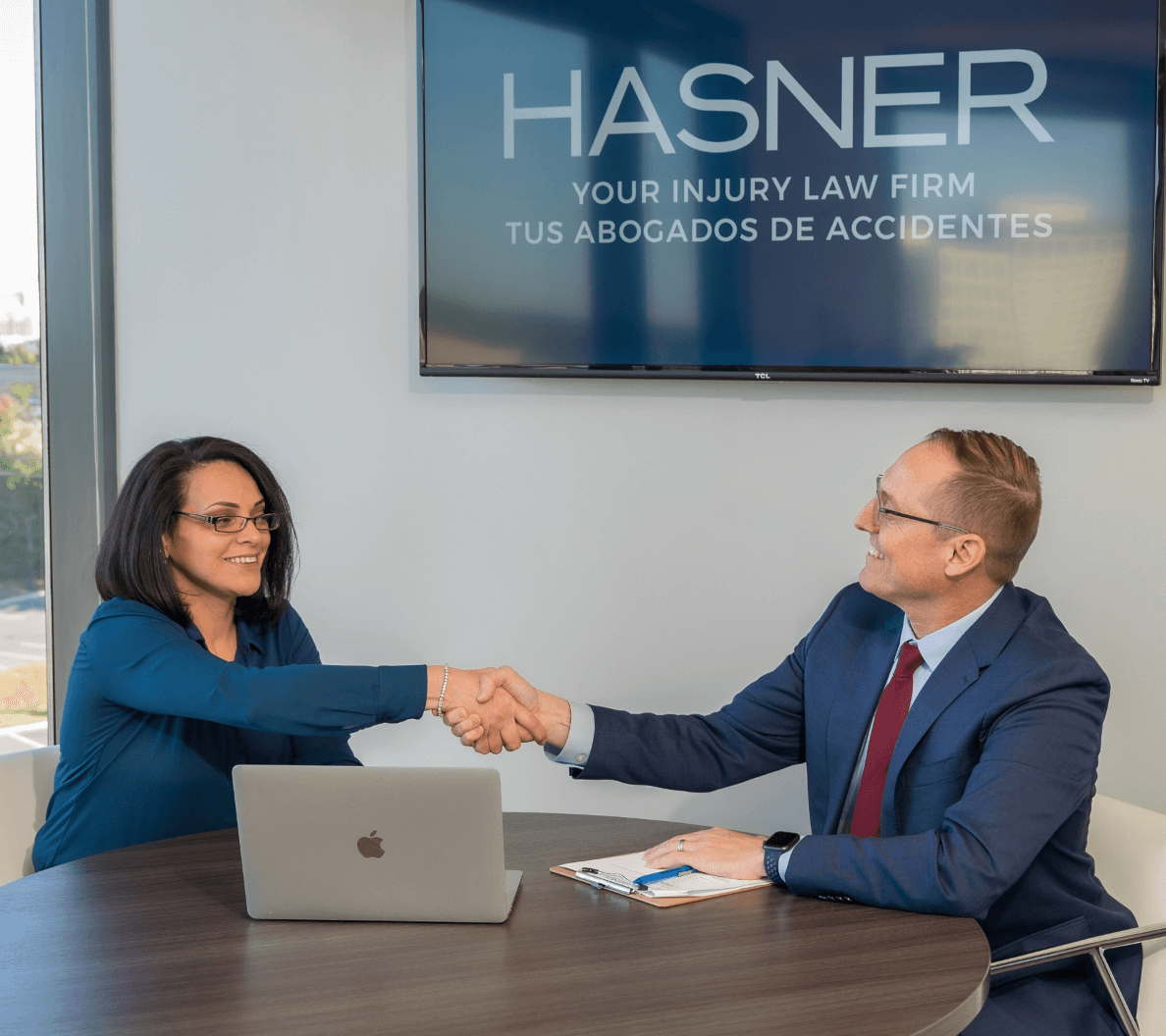
The nursing home that accepted your loved one as a resident owes a legal duty of care under both Georgia statute and the federal Nursing Home Reform Act (OBRA).
Corporate ownership groups and facility operators often bear direct responsibility because they control the day-to-day decisions that lead to harm. The types of corporate and facility failures that commonly give rise to liability include:
- Setting staffing levels too low to provide adequate care for the number of residents in the facility
- Failing to conduct proper background checks on employees who have direct contact with residents
- Ignoring repeated state inspection deficiencies and failing to correct documented problems
- Cutting budgets for training, supplies, and equipment in ways that compromise resident safety
- Establishing policies that prioritize cost savings over the quality of care residents receive
A facility’s corporate parent may be named as a defendant alongside the individual nursing home. Georgia courts evaluate whether the corporate owner exercised sufficient control over the facility’s operations to share liability for the harm a resident suffered.
Individual Staff Liability
Individual nurses, aides, and other staff members who directly caused harm to a resident may face personal liability in a civil lawsuit. Georgia law also imposes criminal penalties for elder abuse under O.C.G.A. § 16-5-100, which means the same conduct that supports your civil claim may also result in criminal prosecution of the responsible employee.
Ask Hasner Law
How much does it cost to hire a nursing home abuse lawyer in Savannah?
Hasner Law takes nursing home abuse cases on a contingency-fee basis. Your family pays no upfront costs and owes nothing unless the firm recovers compensation. The initial consultation is free, and the firm advances all case expenses throughout the litigation process.
How do I report nursing home abuse in Savannah?
Report suspected abuse to the Georgia Department of Community Health Healthcare Facility Regulation Division at (800) 878-6442 or to Adult Protective Services at (866) 552-4464. For immediate danger, call 911. Filing a report does not prevent you from also pursuing a civil lawsuit against the facility for damages.
What if my loved one has dementia and is unable to describe what happened?
Cognitive impairment does not prevent a nursing home abuse claim from moving forward. Medical records, injury documentation, staff logs, surveillance footage, and testimony from other residents or staff members may all serve as evidence. Your attorney builds the case using the facility’s own documentation rather than relying solely on the resident’s account.
What if the nursing home asks me to sign an arbitration agreement?
Many nursing homes include arbitration clauses in their admission contracts. Arbitration agreements may limit your right to file a lawsuit in court and instead require disputes to be resolved through a private arbitration process.
Georgia law and federal regulations place some limits on the enforceability of these clauses in nursing home cases. Speaking with an attorney before signing any admission paperwork helps you understand what rights you may be giving up.
FAQs for Savannah Nursing Home Abuse Lawyers
How long do I have to file a nursing home abuse lawsuit in Savannah?
Two years from the date of the injury or from the date your family discovered or reasonably should have discovered the harm under O.C.G.A. § 9-3-33. In cases where the abuse caused the resident’s death, the wrongful death statute of limitations is two years from the date of death.
What is the difference between nursing home abuse and nursing home neglect under Georgia law?
Abuse involves intentional or reckless conduct that causes harm to a resident, such as hitting, restraining, or verbally threatening them. Neglect is the failure to provide adequate care, resulting in harm through omission rather than action.
Both give rise to civil liability under Georgia law, but they involve different types of evidence and different legal theories.
What if the nursing home has already been cited by the state for violations?
State inspection deficiency citations from the Georgia Department of Community Health serve as powerful evidence in a civil lawsuit. A pattern of prior violations demonstrates that the facility knew about systemic problems and failed to correct them. Your attorney reviews the facility’s full inspection history as part of building your case.
What if my loved one died in a nursing home due to neglect?
The family may file a wrongful death claim seeking the full value of the deceased’s life under Georgia law. The surviving spouse holds the first right to file. If no spouse survives, the children or parents may bring the action. The two-year filing deadline begins on the date of death.
What is the Bill of Rights for nursing home residents in Georgia?
Georgia’s Bill of Rights for Residents of Long-Term Care Facilities under O.C.G.A. § 31-8-100 et seq. guarantees nursing home residents the right to adequate medical care, freedom from abuse and restraints, privacy, participation in care planning, and the ability to file grievances without retaliation.
A facility that violates these rights may face a civil lawsuit for damages under O.C.G.A. § 31-8-125.
Protect Your Loved One by Contacting Savannah Nursing Home Abuse Lawyers Today

The facility that harmed your loved one has attorneys, insurance carriers, and corporate resources working to protect its interests. Your family needs someone fighting just as hard on the other side.
Every day that passes without legal action gives the facility more time to alter records, repair conditions, and prepare its defense.
Hasner Law Injury & Workers’ Compensation Attorneys has spent decades standing beside families across Savannah, Atlanta, and communities throughout Georgia.
Call (912) 234-2334 today for a free consultation and take the first step toward holding the facility accountable.