
A catastrophic injury is a severe, permanent injury that limits a person’s ability to work, live independently, or perform daily activities.
Savannah catastrophic injury lawyers at Hasner Law represent people who suffered traumatic brain injuries, spinal cord damage, amputations, severe burns, and other permanent disabilities caused by negligence throughout Chatham County and the greater Savannah area.
Catastrophic injury claims involve lifetime medical costs, permanent loss of earning capacity, and the need for ongoing care or adaptive equipment.
Georgia law allows injured individuals to pursue full compensation through a personal injury lawsuit filed within two years of the accident. Call (912) 234-2334 for a free consultation.
Why Do Savannah Families Choose Hasner Law for Catastrophic Injury Claims?
Catastrophic injury cases involve larger damages, more aggressive defense strategies, and longer timelines than standard personal injury claims. The insurance company and its legal team invest heavily in minimizing payouts when lifetime care costs are at stake.
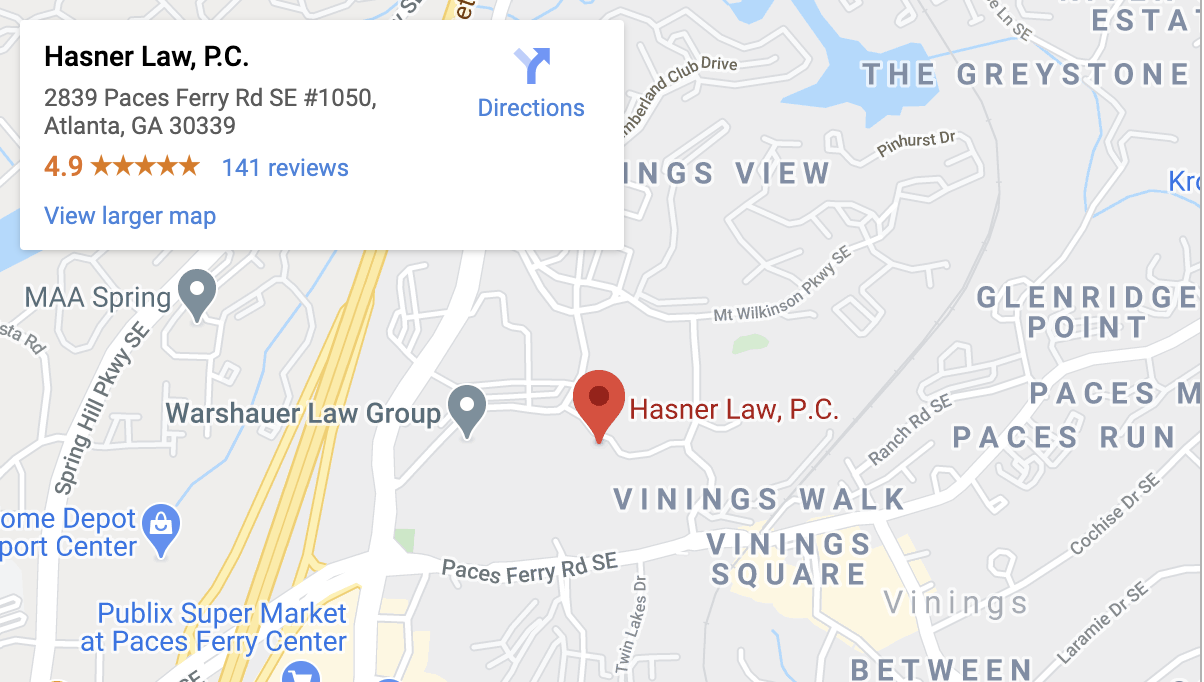
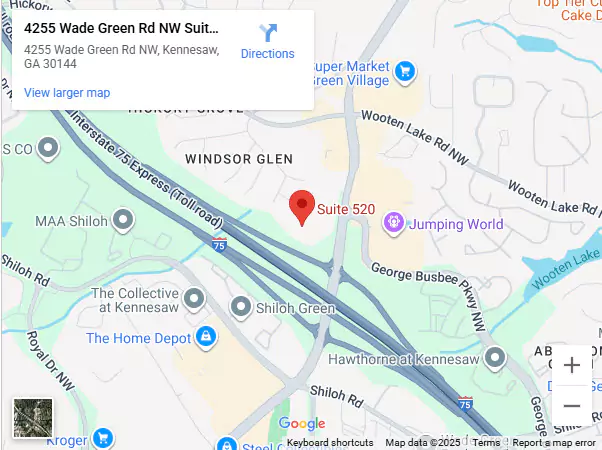
Hasner Law Injury & Workers’ Compensation Attorneys brings more than 100 years of combined legal experience to injury victims across Savannah, Atlanta, Kennesaw, and communities throughout Georgia.
The firm’s founding attorney, Stephen Hasner, co-founded the Georgia Injured Workers’ Advocates (GIWA) and has dedicated his career to standing beside people harmed by negligence.
How the Firm Approaches a Catastrophic Injury Case in Savannah
Every catastrophic injury claim requires detailed evidence about both liability and the long-term cost of the injury. The legal team at Hasner Law builds both sides of the case from day one. The firm’s approach typically involves:
- Investigating the cause of the accident and identifying every liable party, whether a negligent driver, a property owner, a product manufacturer, or an employer
- Working with medical professionals to document the full scope of your injuries and project the lifetime cost of care, treatment, rehabilitation, and adaptive equipment
- Consulting with economic professionals to calculate lost earning capacity over the remainder of your working life
- Retaining life care planners who create detailed projections of the medical services, home modifications, and personal assistance you may need for the rest of your life
- Managing all settlement negotiations and trial preparation so the case reaches its full value rather than settling for a fraction of what your injuries require
Hasner Law assists clients in both English and Spanish. Call (912) 234-2334 for a free case review.
What Qualifies as a Catastrophic Injury Under Georgia Law?
A catastrophic injury in Georgia is any injury severe enough to permanently prevent a person from performing any work for which they are otherwise qualified.
Georgia’s workers’ compensation statute under O.C.G.A. § 34-9-200.1 provides a specific list of injuries that qualify as catastrophic.
While this statute applies to workers’ comp cases, Georgia courts and insurance companies use the same categories to identify catastrophic injuries in personal injury litigation. The injuries Georgia law classifies as catastrophic include:

- Spinal cord injuries resulting in partial or complete paralysis, including paraplegia and quadriplegia
- Traumatic brain injuries causing permanent cognitive, behavioral, or physical impairment
- Amputations of an arm, hand, foot, or leg
- Severe burns covering a significant portion of the body that require multiple surgeries and long-term wound care
- Total or permanent blindness in both eyes
These injuries share a common characteristic: they fundamentally and permanently alter the injured person’s ability to live the life they had before the accident. The legal claim must reflect that permanent change in every element of the damages calculation.
How Catastrophic Injury Claims Differ From Standard Personal Injury Claims
The table below shows how a catastrophic injury case in Georgia differs from a standard personal injury case across the factors that matter most to your claim.
| Standard Personal Injury | Catastrophic Injury | |
| Nature of injury | Temporary or treatable injuries such as broken bones, soft tissue damage, or concussions | Permanent, life-altering injuries such as paralysis, amputation, or severe brain damage |
| Medical treatment timeline | Weeks to months of treatment with expected recovery | Lifetime medical care, rehabilitation, and ongoing specialist visits |
| Damages calculation | Past medical bills, short-term lost wages, pain and suffering | Lifetime medical costs, permanent lost earning capacity, home modifications, in-home care, and non-economic losses |
| Evidence required | Medical records and wage documentation from the injury period | Life care plans, economic projections, vocational assessments, and long-term medical testimony |
| Insurance defense strategy | Standard liability disputes and comparative fault arguments | Aggressive challenges to injury severity, lifetime cost projections, and the need for ongoing care |
| Case timeline | Months to settle or reach trial | Often 18 months or longer due to the need to reach maximum medical improvement before calculating full damages |
| Workers’ comp classification | Standard temporary or permanent partial disability benefits | Catastrophic designation under O.C.G.A. § 34-9-200.1 with lifetime medical benefits and extended income benefits |
The difference between a standard claim and a catastrophic claim is not just severity. It changes the entire legal strategy, the evidence your attorney gathers, and the way the insurance company responds.
What Types of Accidents Cause Catastrophic Injuries in Savannah?
Catastrophic injuries result from high-impact events where the force of the collision, fall, or explosion overwhelms the body’s ability to protect itself. The accidents that most frequently lead to catastrophic injury claims in Chatham County and the Savannah area involve:
- Motor vehicle collisions on I-16, I-95, and Savannah’s local roadways, including car crashes, truck accidents, and motorcycle collisions where speed or vehicle size magnifies the impact
- Construction site accidents involving falls from heights, electrocution, trench collapses, and struck-by incidents at commercial and residential projects across the Savannah metro area
- Premises liability incidents where a property owner’s negligence caused a fall, structural collapse, or other dangerous condition that produced a severe injury
- Defective product failures where a vehicle component, industrial machine, or consumer product malfunctioned and caused permanent harm
- Workplace accidents at the Port of Savannah, manufacturing plants, and industrial facilities where heavy equipment and hazardous conditions create high-risk environments
Each accident type involves different defendants, different evidence, and different legal theories. A catastrophic injury attorney evaluates the full picture to identify every party whose negligence contributed to the injury and every insurance policy that may provide coverage.
What Compensation May You Recover in a Savannah Catastrophic Injury Claim?
Compensation in a catastrophic injury case reflects the permanent nature of the harm. Unlike a soft tissue injury that heals in weeks, a catastrophic injury creates financial obligations that last a lifetime.
Georgia law allows the injured person to pursue damages that account for both past losses and the full scope of future needs.
Economic Damages in a Catastrophic Injury Case
Economic damages cover every measurable financial loss the injury caused and the costs it will continue to create. The categories of economic damages in a Savannah catastrophic injury claim typically include:

- Past and future medical expenses covering surgeries, hospital stays, rehabilitation, prescriptions, therapy, medical equipment, and specialist care
- Lost wages for time already missed from work, plus the full value of lost earning capacity over the remainder of the injured person’s working life
- Home modification costs for wheelchair ramps, accessible bathrooms, widened doorways, and other changes needed to accommodate permanent physical limitations
- In-home care and personal assistance costs if the injury prevents the person from performing daily activities like bathing, dressing, cooking, or managing medications
Non-Economic Damages
Non-economic damages compensate for losses that do not carry a specific price tag but profoundly affect the injured person’s quality of life. These include physical pain, emotional distress, loss of enjoyment of daily activities, loss of independence, and the impact on personal relationships.
Georgia does not cap non-economic damages in most personal injury cases, which means the jury determines the value based on the evidence presented.
What Deadlines Apply to a Catastrophic Injury Claim in Savannah?
The statute of limitations for a catastrophic injury personal injury lawsuit in Georgia is two years from the date of the accident under O.C.G.A. § 9-3-33. Filing after this deadline permanently bars the claim regardless of the severity of the injuries.
Government Entity Claims
If a city vehicle, county employee, or dangerous condition on government-maintained property caused the catastrophic injury, the family must provide written ante litem notice within six months under O.C.G.A. § 36-33-5.
Ante litem notice is a formal written statement telling the government entity that you intend to file a claim. This shorter window closes before the two-year statute of limitations expires.

Workers’ Compensation for Catastrophic Workplace Injuries
If the catastrophic injury happened on the job, the injured worker may pursue workers’ compensation benefits alongside a third-party personal injury lawsuit.
Georgia law under O.C.G.A. § 34-9-200.1 provides lifetime medical benefits and income benefits for injuries that meet the catastrophic classification.
The 30-day employer notice requirement and one-year claim filing deadline under the workers’ comp system apply in addition to the two-year personal injury statute of limitations.
How Does Comparative Negligence Affect a Savannah Catastrophic Injury Claim?
Georgia’s modified comparative negligence rule under O.C.G.A. § 51-12-33 reduces compensation by the injured person’s percentage of fault. If fault reaches 50 percent or more, Georgia law bars any recovery.
In catastrophic injury cases where damages may reach millions of dollars, even a small shift in the fault percentage translates into a substantial financial difference.
Insurance defense teams devote significant resources to comparative negligence arguments in catastrophic injury cases. The most common tactics insurers use to reduce catastrophic injury payouts in Savannah include:
- Arguing that the injured person was speeding, distracted, or failed to follow safety rules at the time of the accident
- Hiring medical professionals to dispute the severity of the injury or suggest that a pre-existing condition contributed to the disability
- Retaining economic professionals who project lower lifetime care costs or shorter periods of lost earning capacity than the evidence supports
- Challenging the life care plan by questioning whether the recommended treatments, equipment, and services are medically necessary
- Delaying the claims process to pressure the injured person into accepting a lower settlement while medical bills accumulate
Every percentage point they shift onto the injured person directly reduces the insurer’s payout. Your attorney’s role is to build the liability case with evidence strong enough to keep the focus on the defendant’s conduct.
Ask Hasner Law
How much does it cost to hire a catastrophic injury lawyer in Savannah?
Hasner Law takes catastrophic injury cases on a contingency-fee basis. You pay no upfront costs and owe nothing unless the firm recovers compensation.
The initial consultation is free. Because catastrophic injury claims involve substantial damages and extensive litigation, having an attorney who advances all case costs removes the financial barrier to pursuing a claim.
What if the catastrophic injury happened at work?
The injured worker may pursue both a workers’ compensation claim through the employer and a separate personal injury lawsuit against any third party whose negligence caused the accident. Workers’ comp provides medical benefits and income replacement.
A third-party lawsuit may provide additional compensation for pain and suffering, full lost earning capacity, and other damages that workers’ comp does not cover.
What if my family member suffered a catastrophic injury and is unable to make legal decisions?
A family member or court-appointed guardian may file a personal injury claim on behalf of an incapacitated person.
If the catastrophic injury left your loved one unable to communicate or make decisions, Georgia law allows the appointment of a conservator or guardian who holds the legal authority to pursue the claim and manage any recovery.
FAQs for Savannah Catastrophic Injury Lawyers
How long do I have to file a catastrophic injury lawsuit in Savannah?
Two years from the date of the accident under O.C.G.A. § 9-3-33. Government entity claims require written notice within six months under O.C.G.A. § 36-33-5. Workers’ compensation claims for catastrophic workplace injuries carry a separate 30-day notice requirement and one-year filing deadline.
What is the difference between a catastrophic injury and a regular personal injury under Georgia law?
A catastrophic injury permanently prevents a person from performing any work for which they are qualified. Georgia law under O.C.G.A. § 34-9-200.1 identifies specific injury categories including spinal cord injuries, traumatic brain injuries, amputations, severe burns, and total blindness.
Standard personal injury claims involve injuries that are expected to improve or resolve with treatment.
Does Georgia cap damages in catastrophic injury cases?
Georgia does not impose a cap on compensatory damages in most personal injury cases, including catastrophic injury claims. The jury determines the value of both economic and non-economic damages based on the evidence.
Punitive damages, which apply in cases involving willful or wanton misconduct, are subject to a separate statutory cap under O.C.G.A. § 51-12-5.1.
What if the person responsible for my catastrophic injury does not have enough insurance?
Your attorney identifies every available insurance policy, including the at-fault party’s liability coverage, commercial umbrella policies, and your own uninsured or underinsured motorist (UM/UIM) coverage.
In catastrophic injury cases where damages exceed the defendant’s policy limits, pursuing multiple sources of coverage and identifying additional liable parties with their own insurance becomes particularly important.
What is a life care plan, and why does it matter in a catastrophic injury case?
A life care plan is a detailed projection of the medical treatment, rehabilitation, equipment, home modifications, and personal assistance an injured person will need for the rest of their life.
A qualified life care planner creates this document based on the specific injuries and medical evidence. The plan serves as the foundation for calculating future damages in a catastrophic injury lawsuit.
Speak With Savannah Catastrophic Injury Lawyers at Hasner Law Today

The financial stakes in a catastrophic injury case are measured in decades of medical care, lost income, and daily living costs. The insurance company on the other side of your claim knows exactly how high those numbers reach, and every strategy it employs aims to bring them down.
Hasner Law Injury & Workers’ Compensation Attorneys has spent decades representing severely injured individuals and their families across Savannah, Atlanta, and communities throughout Georgia. Call (912) 234-2334 today for a free consultation and find out what your catastrophic injury claim is worth.
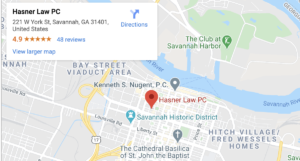
Hasner Law: Savannah Injury & Workers’ Compensation Attorneys
221 W York St,
Savannah, GA 31401
Ph: 912-234-2334