
Atlanta Defective Drug Attorneys
Prescription and over-the-counter medications go through a federal approval process before reaching pharmacy shelves, but that process does not catch every risk. Some drugs reach the market with dangerous side effects that only surface after thousands of patients begin taking them.
If a medication harmed you or a family member in the Atlanta area, Atlanta defective drug attorneys at Hasner Law offer free consultations to review your case and explain your legal options. Contact us today for a free case review.
How Hasner Law Handles Defective Drug Cases in Atlanta
Hasner Law has represented injured people across Georgia since 2008. The firm’s attorneys bring more than 100 years of combined experience in personal injury and product liability law and have recovered over $100 million in compensation for clients.
What the Legal Team Does for Defective Drug Victims

Dangerous drug cases involve pharmaceutical companies with large legal teams, technical medical evidence, and federal regulatory records. Hasner Law takes on these cases with a contingency fee structure, meaning you pay nothing upfront and owe no legal fees unless the firm recovers compensation for you.
The firm reviews your medical history, identifies the drug and its manufacturer, gathers evidence linking the medication to your injury, and handles all negotiation with the opposing side. Because pharmaceutical litigation often involves federal preemption arguments, having a legal team that understands both Georgia product liability law and the federal regulatory landscape matters.
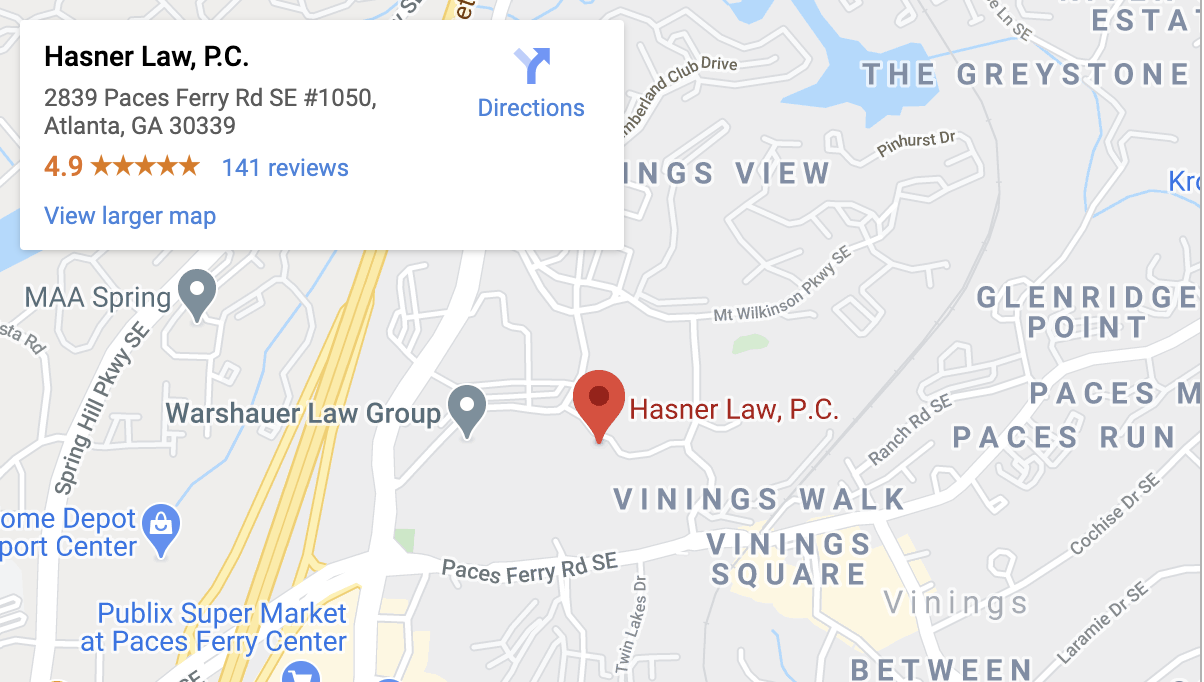
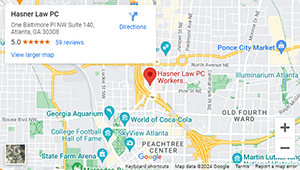
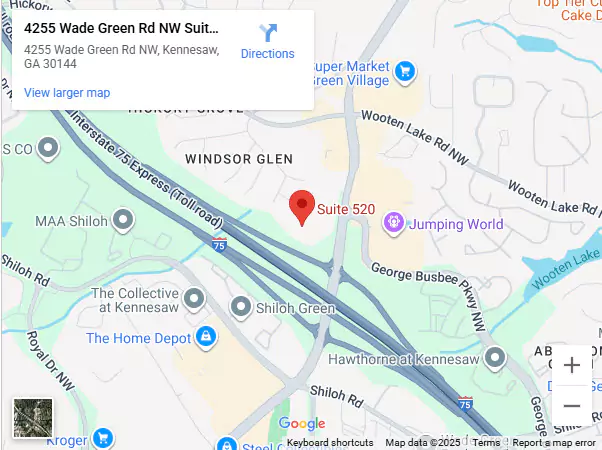
With offices in Atlanta, Downtown Atlanta, Kennesaw, and Savannah, the team serves clients throughout Georgia and provides free consultations around the clock.
What Makes a Drug Defective Under Georgia Law?
Georgia treats defective drug claims as a form of product liability. Under O.C.G.A. § 51-1-11, manufacturers face strict liability for products that reach consumers in a defective condition.
This means the focus of the case is on whether the drug itself had a defect, not on whether the pharmaceutical company acted carelessly. You must still prove that the defect existed when the drug left the manufacturer’s control and that it directly caused your injury.
It is worth noting that federal law may limit certain defective drug claims, particularly those involving generic medications, where federal preemption rules may restrict the types of state-law claims a plaintiff may bring. An Atlanta defective drug attorney reviews these issues as part of the case evaluation.
Defective drug cases in Georgia typically fall into one of three categories, each with its own proof requirements.
Manufacturing Defects
A manufacturing defect occurs when something goes wrong during production, contamination, or packaging, even though the drug’s formula is sound. A batch of medication that contains an incorrect dosage or a contaminant introduced at the factory are both examples. These cases focus on how a specific batch or unit deviated from the manufacturer’s own specifications.
Design Defects
A design defect exists when the drug’s chemical formulation itself creates an unreasonable risk of harm. Georgia courts apply a risk-utility test, weighing the medication’s therapeutic benefits against its dangers. If a safer alternative formulation exists that provides the same medical benefit, the manufacturer may face liability for choosing the riskier design.
Failure to Warn
Drug manufacturers have a legal duty to provide adequate warnings about known and reasonably foreseeable side effects. Under Georgia’s learned intermediary doctrine, this duty runs primarily to the prescribing physician rather than directly to the patient in most prescription drug cases. The rationale is that the doctor serves as the intermediary between the manufacturer and the patient and makes the prescribing decision based on the drug’s labeling.
When a pharmaceutical company fails to disclose dangerous risks to prescribing physicians, or buries the information in a way that prevents doctors from making informed decisions, a failure-to-warn claim may apply. This type of claim frequently arises even when the drug functions exactly as the manufacturer designed it.
What Types of Medications Lead to Defective Drug Claims?

Dangerous drug lawsuits arise from a wide range of medications, including drugs that were once considered safe. Some of the most common categories of medications involved in defective drug cases in the Atlanta area include:
- Prescription painkillers and opioids that carry undisclosed addiction risks or cause organ damage
- Antipsychotic medications with unreported side effects such as metabolic disorders or hormonal imbalances
- Blood thinners that increase the risk of uncontrollable bleeding without adequate warnings to prescribing physicians
- Proton pump inhibitors (PPIs) for acid reflux that are linked to kidney damage, bone fractures, or other long-term injuries
- Diabetes medications associated with undisclosed cardiovascular risks or other serious complications
The FDA’s MedWatch program tracks adverse event reports from patients and healthcare providers. These reports often form part of the evidence base in defective drug lawsuits, helping to establish a pattern of harm that supports individual claims.
Who May Be Held Liable in a Defective Drug Lawsuit in Atlanta?
Multiple parties along the pharmaceutical supply chain may share responsibility when a dangerous drug injures a patient. Georgia law allows injured consumers to bring claims against more than one defendant in the same case.
Drug Manufacturers

Under Georgia’s strict liability framework, the company that developed and manufactured the drug may face liability if the product reached consumers in a defective condition. You must show the defect existed when the drug left the manufacturer’s control and that it caused your injury.
Brand-name manufacturers and generic manufacturers may face different legal standards, particularly regarding failure-to-warn claims where federal preemption rules may apply differently.
Pharmaceutical Distributors and Wholesalers
Companies that move the drug from the manufacturer to pharmacies and hospitals may bear responsibility if evidence shows they knew about a defect or safety concern and continued distributing the medication. Unlike manufacturers, distributors in Georgia are typically held to a negligence standard rather than strict liability.
Prescribing Physicians and Pharmacies
In some cases, a doctor who prescribes a drug despite known contraindications, or a pharmacy that dispenses the wrong medication or dosage, may share liability under a medical malpractice or negligence theory rather than product liability.
These claims follow different proof requirements, including Georgia’s requirement for an expert affidavit in medical malpractice cases. Identifying every liable party matters because it opens additional sources of recovery and strengthens the overall case.
What Compensation May Be Available After a Defective Drug Injury?
Georgia law allows injured patients to seek several types of damages in defective drug cases. The specific amount and type of compensation depend

on the severity of your injury and the facts of your case.
- Medical expenses for treatment of the drug’s side effects, including hospitalization, surgery, and ongoing care
- Lost wages and reduced future earning capacity tied to your injury
- Pain, suffering, and emotional distress caused by the adverse drug reaction
- Cost of additional medications or treatments needed to address the harm the defective drug caused
- Wrongful death damages for surviving family members if the drug caused a fatal reaction
In cases involving particularly reckless conduct by the manufacturer, Georgia law may allow punitive damages. These damages are generally capped at $250,000, subject to statutory exceptions that may apply in certain product liability cases, including situations where the manufacturer acted with specific intent to harm or knowingly concealed a dangerous defect.
What Filing Deadlines Apply to Defective Drug Cases in Georgia?
Georgia imposes strict time limits on defective drug lawsuits. Under O.C.G.A. § 9-3-33, you have two years from the date of injury to file a personal injury claim. For property damage claims, the deadline extends to four years.
The Discovery Rule

Drug injuries do not always appear right away. Some medications cause harm that takes months or years to surface, particularly with drugs that affect the kidneys, liver, or cardiovascular system. Georgia’s discovery rule allows the statute of limitations clock to pause until you learn of the injury and its connection to the medication.
The Statute of Repose
Georgia also enforces a ten-year statute of repose under O.C.G.A. § 51-1-11(b)(2). This rule bars most product liability claims filed more than ten years after the drug’s first sale.
However, Georgia courts have held that the statute of repose may not apply in certain failure-to-warn claims, which means some defective drug cases might proceed even beyond the ten-year window depending on the specific facts.
Speaking with a defective drug attorney in Atlanta early helps protect against missing any of these overlapping deadlines.
What Steps Help Protect Your Claim After a Defective Drug Injury?
Once you have received medical attention and your condition has stabilized, several actions help preserve the strength of a potential defective drug claim.
- Keep the medication in its original packaging along with the pharmacy label, receipt, and any printed materials that came with the prescription
- Ask your doctor to document the adverse reaction in your medical records and note the specific drug, dosage, and timeline
- Report the adverse event to the FDA through MedWatch to create a public record of the problem
- Save all medical bills, lab results, and records of any follow-up treatment related to the drug injury
- Avoid discarding the remaining medication, as it may serve as physical evidence in your case
Preserving the drug itself and its packaging is one of the most valuable steps you take in a defective drug case, because the physical product and its labeling often serve as the strongest evidence of what went wrong.
FAQs for Atlanta Defective Drug Attorneys
How is a defective drug case different from a medical malpractice case?
A defective drug case targets the pharmaceutical company that manufactured, designed, or failed to adequately warn about a dangerous medication. A medical malpractice case targets the healthcare provider who prescribed or administered the drug incorrectly. In some situations, both claims may apply to the same set of facts.
Do I need to prove the drug company was negligent?
Georgia applies strict liability to drug manufacturers under O.C.G.A. § 51-1-11, meaning the focus is on whether the drug had a defect rather than whether the company acted carelessly. You must still prove the defect existed and that it caused your injury. Some claims, particularly those involving generic drugs, may face additional limitations under federal preemption rules.
What if the FDA approved the drug before I took it?
FDA approval does not automatically prevent you from filing a defective drug lawsuit in Georgia, though it may factor into the manufacturer’s defense. The approval process evaluates the information available at the time, but new risks often emerge after a drug reaches a larger patient population. A manufacturer that conceals known risks or fails to update its warnings after learning of new dangers may still face liability.
How long do defective drug cases take to resolve?
The timeline varies depending on the number of defendants, the complexity of the medical evidence, and whether your case is part of a larger multidistrict litigation (MDL). Straightforward cases may resolve in several months, while complex pharmaceutical cases often take a year or longer.
What if the drug was prescribed for off-label use?
Off-label prescribing, meaning a doctor prescribes a drug for a purpose the FDA has not specifically approved, is legal and common. If the drug itself is defective or the manufacturer failed to warn prescribing physicians about risks associated with known off-label uses, you may still have a valid product liability claim against the manufacturer.
Reach Out to Atlanta Defective Drug Attorneys at Hasner Law

Pharmaceutical companies have teams of lawyers whose job is to limit their exposure when a drug injures patients. You face filing deadlines, federal preemption arguments, and well-funded opposition.
Having a legal team that understands both Georgia product liability law and the pharmaceutical regulatory landscape gives your case the attention it requires.
Hasner Law offers free, no-obligation consultations to review your case and explain your options. Contact Hasner Law today to speak with Atlanta defective drug attorneys who are ready to fight for you.