

Stephen Hasner | Car Accidents | August 9, 2022
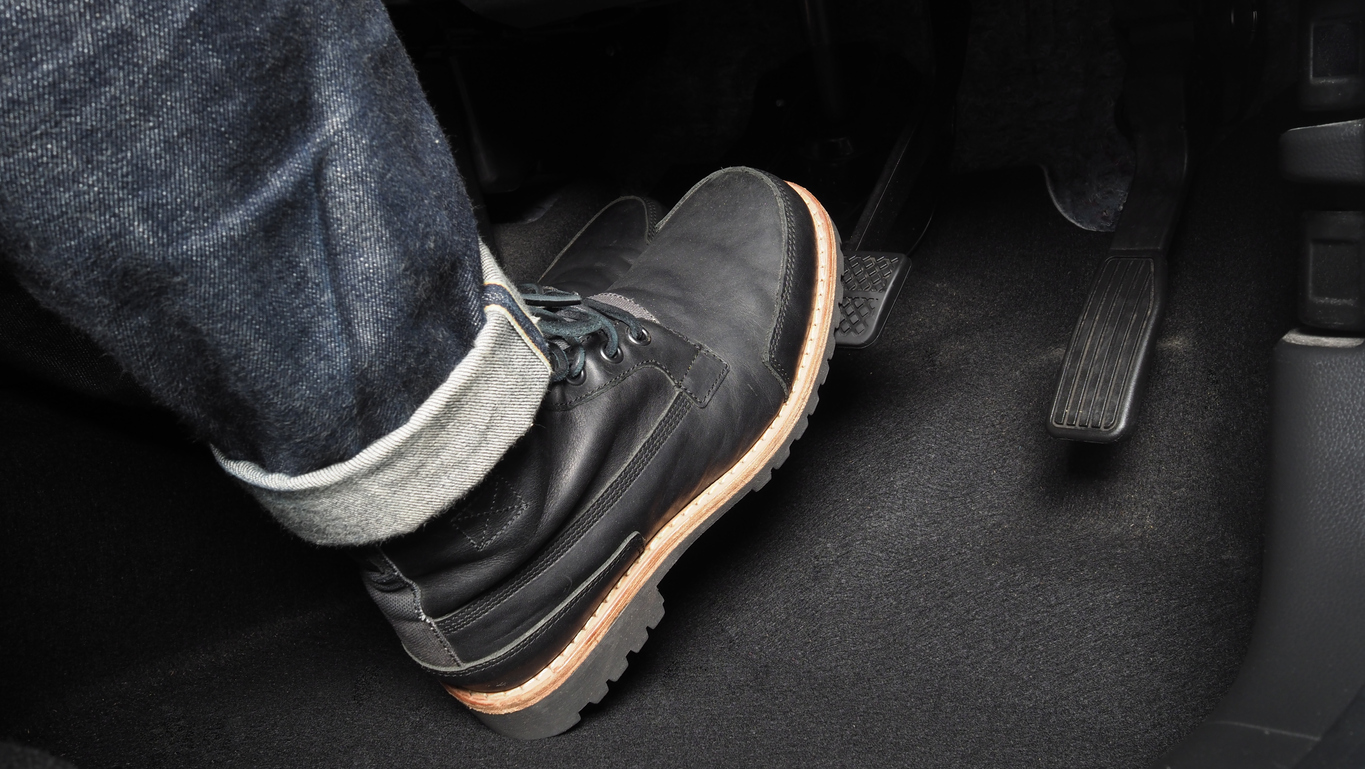
Traffic on I-285 can test anyone’s patience, but some drivers let frustration turn into aggression. One of the most dangerous forms of road rage is brake checking—when a driver intentionally slams on their brakes to intimidate or retaliate against the vehicle behind them.
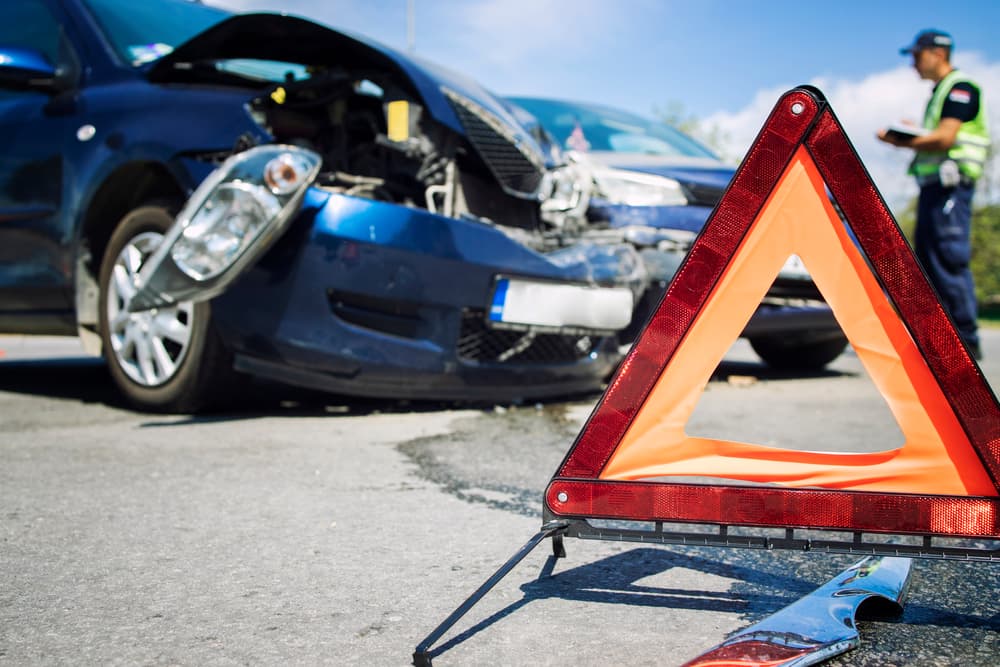
This reckless maneuver often causes rear-end collisions, which are accidents where fault is usually placed on the rear driver. But that presumption does not apply in every situation. When a crash is caused by a deliberate and dangerous act on a crowded highway, fault is no longer so clear-cut.
An experienced Atlanta car accident lawyer can help you challenge the automatic assumptions and fight to hold the aggressive driver accountable.
Key Takeaways For Atlanta Brake-Checking Accidents
- While there is a general presumption that the rear driver is at fault for a rear-end collision, this is not an absolute rule and can be overcome with sufficient evidence.
- Brake checking is an act of aggressive and negligent driving. A driver who brake checks another vehicle may be held partially or even fully at fault for causing a collision.
- Georgia’s modified comparative negligence law allows fault to be divided between drivers. If you are found to be less than 50% at fault, you may still recover damages.
- Proving a brake-checking case depends heavily on evidence. Dashcam footage, eyewitness testimony, and a thorough accident investigation are needed.
- You should never accept an insurance company’s initial determination of fault without first speaking to a legal professional, especially in a complex scenario like a brake-checking accident.
Understanding Fault in Atlanta Rear-End Collisions
In most car accidents, the driver who rear-ends another vehicle is presumed to be at fault because drivers have a legal duty to maintain a safe following distance. Georgia law reflects this duty in O.C.G.A. § 40-6-49, which prohibits drivers from following another vehicle more closely than is reasonable under the circumstances.
Insurance companies heavily rely on this statute to place blame on the rear driver. However, this presumption is rebuttable. It does not account for situations where the lead driver acts erratically, negligently, or with malicious intent. Every driver on a Georgia road has a duty of care to operate their vehicle in a safe manner, and this includes the driver in front.
A negligence claim is built upon four specific elements. The failure to prove even one of these can prevent you from recovering compensation.
- Duty of Care: The other driver had a legal obligation to operate their vehicle safely.
- Breach of Duty: The driver violated that duty through a specific action, such as intentionally slamming on their brakes without cause.
- Causation: This breach of duty directly caused the collision and your injuries.
- Damages: You suffered actual financial or personal losses as a result of the accident.
Establishing these elements is necessary to challenge the rear-end collision presumption and seek to prove the other driver’s fault.
How Brake Checking Shifts Liability in a Georgia Car Wreck
Brake checking may constitute a breach of a driver’s duty of care, depending on the circumstances. It is not a safe driving maneuver and is often viewed as aggressive behavior that creates a dangerous situation.
When a driver intentionally creates a hazard that contributes to a collision, their actions may be considered evidence of negligence. Georgia’s approach to shared fault influences these situations.
How Georgia’s Negligence Law Affects Your Car Accident Case
Georgia follows a modified comparative negligence system, detailed in O.C.G.A. § 51-12-33. This law allows a jury to assign a percentage of fault to each party involved in an accident.
If your percentage of fault is determined to be 49% or less, you may still recover damages from the other party. However, your total compensation will be reduced by your percentage of fault. If you are found to be 50% or more at fault, you are barred from recovering any compensation at all.
In a brake-checking scenario, a jury might determine that the lead driver’s intentional act makes them mostly at fault, while the rear driver shares a small percentage of fault for following too closely.
The specific allocation of fault will depend entirely on the evidence presented by your Atlanta car accident lawyer. The ultimate percentage of fault assigned is the single most important factor in determining the outcome of your case.
How an Atlanta Car Accident Lawyer Gathers Evidence to Prove Fault
The biggest challenge in a brake-checking case is proving the other driver acted intentionally, rather than braking to avoid a legitimate road hazard. The other driver will almost always claim they saw an animal or debris in the road, forcing them to brake suddenly. Overcoming this requires strong, credible evidence.
Using Dashcam and Surveillance Video for Your Claim
By far, the most effective piece of evidence you can have is video footage. A dashcam in your own vehicle can capture the entire event, showing the absence of any road hazards and clearly documenting the other car’s sudden, unprovoked stop. Without video, it often becomes one driver’s word against the other’s.
Many commercial and government cameras can also provide the evidence needed. An experienced Atlanta car accident lawyer knows how to identify and preserve this footage before it is erased.
- Georgia Department of Transportation (GDOT) traffic cameras on major highways like I-75 and I-20.
- Security cameras from businesses overlooking the street where the accident occurred.
- Video doorbells from nearby residences if the crash happened in a neighborhood.
Obtaining this footage quickly is necessary, as most systems overwrite their recordings within a short period.
The Importance of Witness Statements and Police Reports
Independent witnesses can be incredibly persuasive. A neutral third party who saw the lead driver acting aggressively before the crash can corroborate your version of events. Your attorney may use investigators to locate witnesses who may have left the scene before police arrived.
The police report itself is also a valuable tool. While the officer’s opinion on fault is not binding, their report will contain important observations.
The police report documents key information that can be used to build your case.
- Direct quotes or summaries of what each driver said immediately after the crash.
- Any citations issued at the scene, such as for aggressive driving or following too closely.
- A diagram of the accident scene and the final resting positions of the vehicles.
Admissions made by the other driver at the scene can be powerful evidence against them later.
Recovering Compensation with an Atlanta Car Accident Lawyer
If you successfully prove that the other driver’s brake checking caused your accident, you may be entitled to recover compensation for a variety of losses. These damages are intended to reimburse you for the financial costs of the accident and to compensate you for the physical and emotional harm you have endured.
An Atlanta car accident lawyer can help you identify and calculate the full value of all your losses, which may include several types of damages.
- Current and future medical expenses, from the ambulance ride to long-term rehabilitation.
- Lost income and wages from time missed at work and any loss of future earning capacity.
- The cost to repair or replace your vehicle and other damaged property.
- Physical pain and suffering and emotional distress.
- Loss of enjoyment of life or permanent scarring.
Properly documenting each of these losses with bills, receipts, medical records, and expert opinions is necessary to pursue the full compensation you may be owed.
How an Atlanta Car Accident Lawyer Builds Your Case
Challenging an insurance company’s view of a rear-end collision requires a strategic and evidence-based approach. The legal team at Hasner Law knows that the initial police report does not always tell the whole story.
We launch an independent investigation into your accident, specifically looking for evidence of the other driver’s aggressive behavior. This involves tracking down witnesses, canvassing nearby businesses in areas like Buckhead or Midtown for security footage, and analyzing the physical evidence from the vehicles.
An Atlanta car accident lawyer from our firm will handle all communications with the insurance adjusters. They are trained to get you to admit some level of fault, but we protect you from these tactics. We work to compile a strong, evidence-based case aimed at demonstrating the other driver’s negligence, including evidence of intentional brake checking when applicable.
In some cases, we may consult with accident reconstruction experts who can analyze crush damage and roadway evidence to show the collision was caused by a sudden, unexpected stop inconsistent with normal driving. Our goal is to present clear evidence of the other driver’s behavior so fault is assessed fairly and you are not wrongly blamed for the crash.
FAQs for an Atlanta Car Accident Lawyer
Is brake checking illegal in Georgia?
While there is no specific law called brake checking, the act falls under other Georgia traffic violations such as reckless driving (O.C.G.A. § 40-6-390) or aggressive driving. A driver who brake checks can be ticketed for these and other offenses.
Can a brake-checking driver be held responsible even if no citation was issued?
Yes. A traffic citation is not required to prove fault in a Georgia car accident claim. Even if police did not ticket the lead driver at the scene, liability can still be established using evidence such as dashcam footage, witness statements, vehicle damage patterns, and accident reconstruction analysis.
Insurance companies and juries consider all relevant evidence when determining fault, not just whether a citation was issued. An Atlanta car accident lawyer can use this evidence to show that intentional brake checking caused the crash.
How do insurance companies investigate brake-checking claims?
They will take recorded statements from both drivers and any known witnesses. They will review the police report and look at photos of the vehicle damage.
If there is strong evidence like a dashcam video, they are more likely to assign fault to the lead driver. Without it, they will usually default to blaming the rear driver.
Should I give a recorded statement to the other driver’s insurance company?
It is generally not in your best interest to give a recorded statement to the at-fault party’s insurer without first consulting your own attorney. Adjusters are trained to ask questions that might get you to say something that harms your claim. An Atlanta car accident lawyer can handle these communications for you.
Can I still be blamed if I was following too closely?
Yes. As discussed under Georgia’s comparative negligence rule, a jury can find both drivers partially at fault. Your recovery would then be reduced by your percentage of fault. This is why having a lawyer to argue that the intentional act of brake checking was the primary cause of the crash is so important.
Speak With an Atlanta Car Accident Lawyer After a Brake Checking Accident

You should not be forced to pay for the consequences of another driver’s road rage. While the law in Georgia creates a high hurdle for victims of brake-checking accidents, it is a hurdle that can be cleared with the right evidence and legal strategy. Do not let an insurance company unfairly blame you for a collision caused by a reckless and aggressive driver.
If you were injured in a rear-end collision caused by a brake check, contact Hasner Law for a free, no-obligation consultation with an Atlanta car accident lawyer. We can help you pursue the compensation you may be entitled to.
